
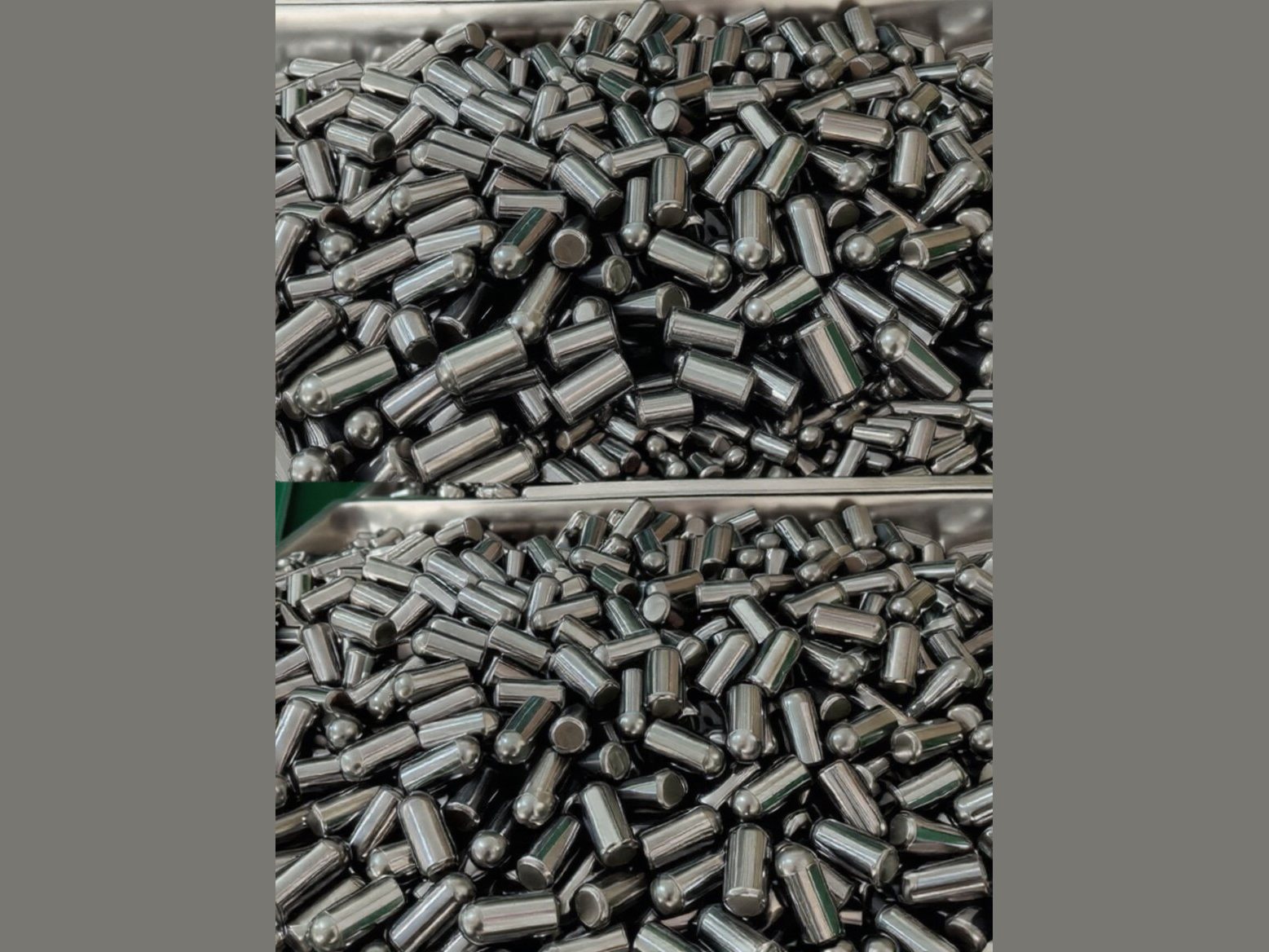
HPGR Carbide Studs (Tungsten Carbide Studs)
HIP-sintered tungsten carbide studs for high pressure grinding roll surfaces — the wear core that decides how long an HPGR roll stays in service.
The wear core of every studded HPGR roll
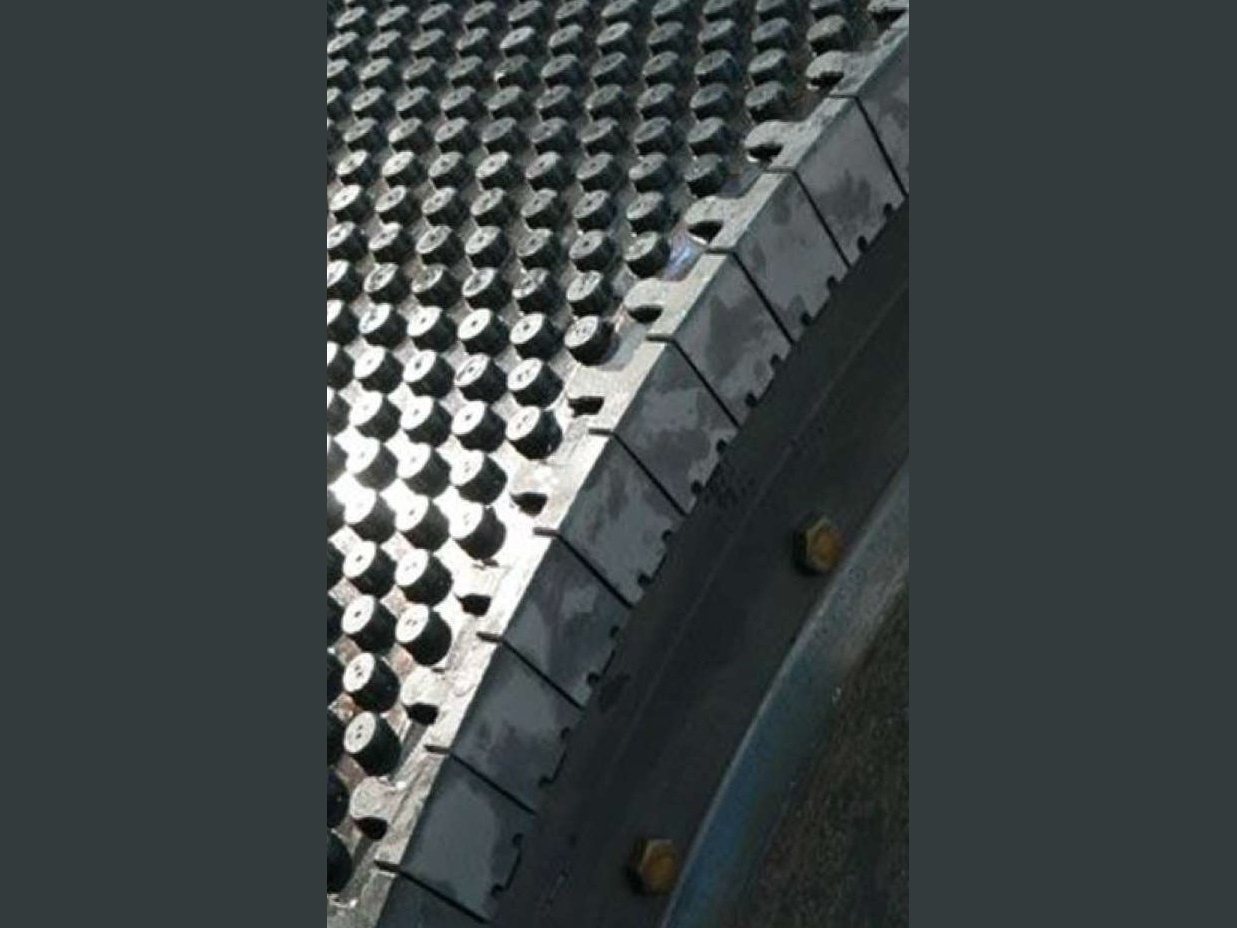
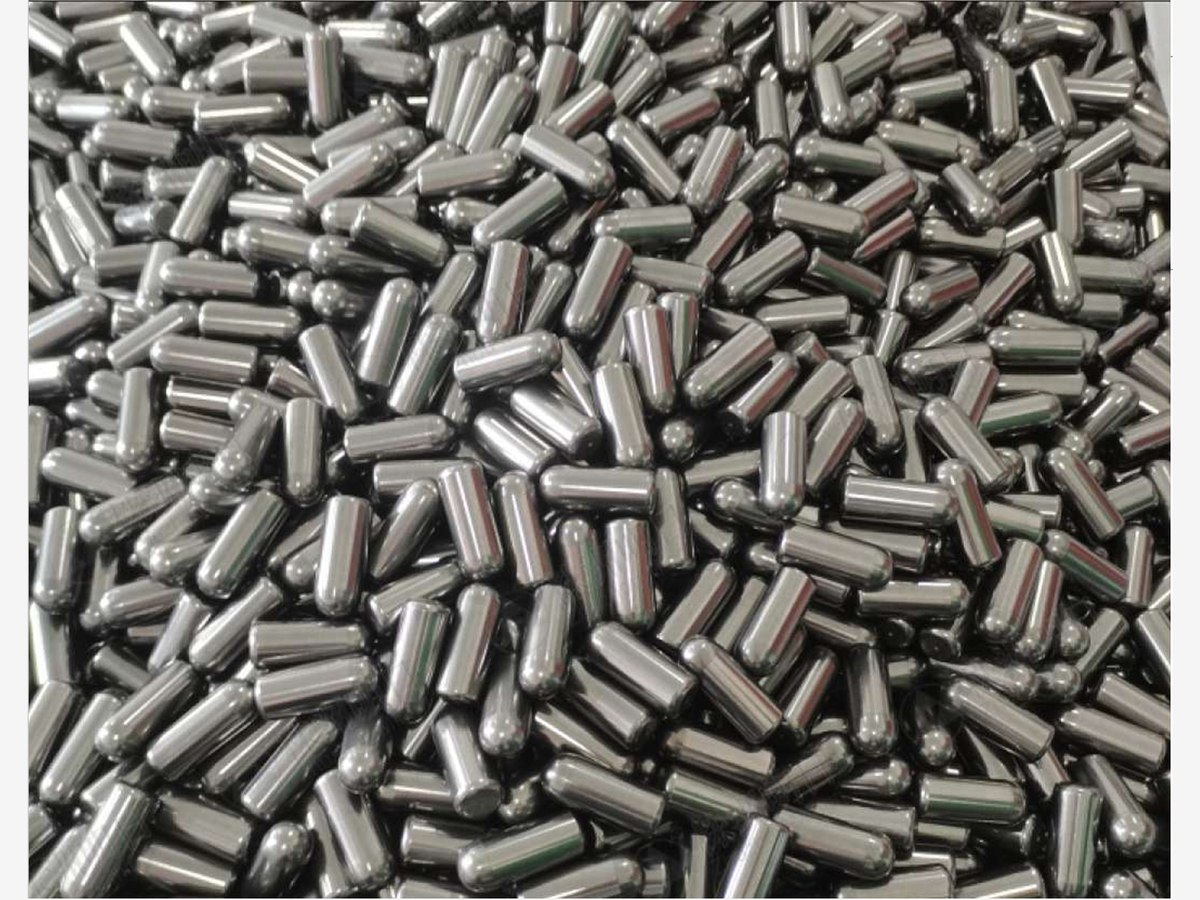
HPGR carbide studs are cylindrical tungsten carbide (WC-Co) pins press-fitted into the drilled surface of high pressure grinding rolls. Standing proud of the roll surface, they form the autogenous wear layer that protects the roll body and grips the feed bed. With high hardness, strength and impact resistance, studded rolls sharply outlast traditional hardfacing rolls — carbide studs typically deliver around 10 times the service life of a hardfaced surface.
Yanvic supplies HPGR carbide studs in the full size range for mainstream HPGR rolls, in four head profiles and thirteen carbide grades. Grade selection is matched to the ore and feed size, every stud passes 100% automatic inspection, and each shipment is delivered with a batch certificate of quality.
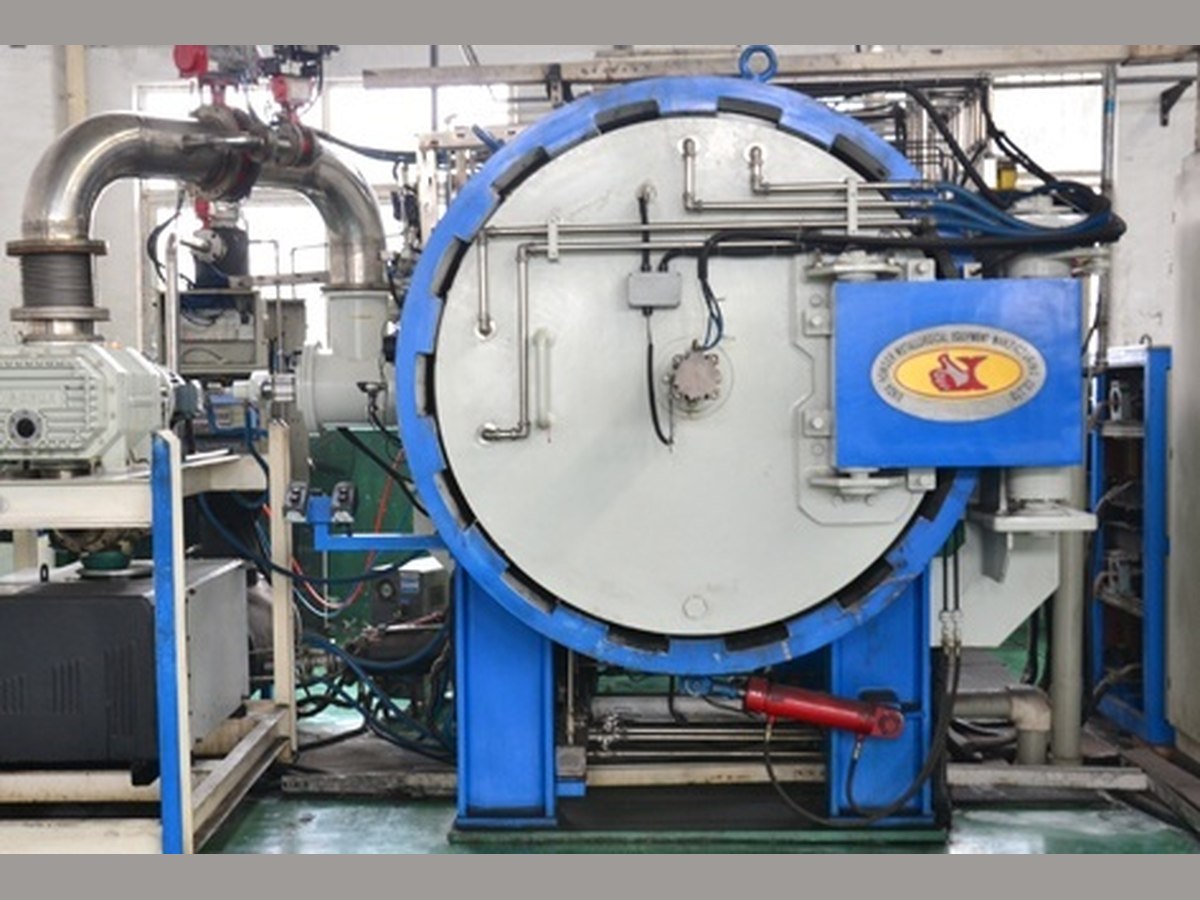
Raw materials come from China's leading producers — tungsten carbide powder from Zhangyuan Tungsten and cobalt powder from GEM — and production runs on fully automatic TPA presses with imported HIP sintering furnaces. Third-party inspection (NCS) is available for any batch on request.
Why Yanvic HPGR studs
- Around 10× the service life of hardfacing roll surfaces
- HIP sintering for full density and batch-to-batch consistency
- 100% automatic inspection of every single stud
- Thirteen WC-Co grades matched to ore type and feed size
- Types R1, R2, F and T — including side studs for roll-edge protection
- 7,000 studs per press per day — fast delivery on large orders
- Premium raw materials: Zhangyuan WC powder, GEM cobalt powder
- Batch certificate of quality with every shipment; NCS third-party testing available
- Fits HPGR rolls of all mainstream brands — CITIC Heavy Industries, Chengdu Leejun, Köppern, KHD, Metso and more
- High-price buy-back of your worn carbide studs — turn used studs back into cash
Types and sizes
Four head profiles cover the roll face and the roll edges. Type T side studs protect the roll edge and cheek plates, where wear is fastest.
Spherical head with chamfered base — the standard profile for HPGR roll faces
Hemispherical (ball) head — maximum head volume for highly abrasive duties
Flat-head cylindrical stud for studded tires and edge rows
Profiled side stud for roll-edge and cheek-plate protection
| Type | Ø (mm) | H (mm) | SR | R |
|---|---|---|---|---|
| R1 | 8 | 20 | 4 | 1 |
| R1 | 10 | 20–30 | 5 | 1 |
| R1 | 16 | 25 | 8 | 1 |
| R1 | 16 | 35 | 8 | 1.5 |
| R1 | 16 | 40 | 8 | 1.5 |
| R1 | 20 | 30 / 35 / 40 / 50 / 60 | 10 | 2 |
| R2 | 16 | 45 | — | 2 |
| F | 10 | 45 | — | — |
| F | 16 | 25 / 30 / 35 / 40 / 45 | — | — |
| T | 21.9 | 26 / 30 / 32 / 35 / 40 / 45 | — | — |
Sizes above are the standard range; other diameters, heights and head radii are custom-made to your roll drawings.
Carbide grades and physical properties
Physical & mechanical properties
| Grade | Hardness (HRA) | Hardness (HV30) | Density (g/cm³) | TRS ≥ (N/mm²) |
|---|---|---|---|---|
| MR10C | 87.5 | 1100 | 14.50 | 2600 |
| MR105 | 88.3 | 1170 | 14.43 | 2700 |
| MR11 | 88.8 | 1210 | 14.40 | 2900 |
| MR11C | 87.5 | 1100 | 14.39 | 2800 |
| MR12 | 88.3 | 1170 | 14.30 | 2950 |
| MR12F | 90.5 | 1360 | 14.19 | 3200 |
| MR13 | 88.0 | 1140 | 14.21 | 3000 |
| MR15 | 87.5 | 1100 | 14.02 | 3100 |
| MR151 | 86.4 | 1020 | 14.02 | 3100 |
| MR152 | 88.5 | 1190 | 13.99 | 2900 |
| MR15C | 85.5 | 950 | 14.02 | 2700 |
| MR18 | 86.8 | 1050 | 13.72 | 3000 |
| MR20 | 86.5 | 1030 | 13.52 | 3100 |
Properties are typical values for reference; other grades can be produced to customer requirements. HV30 values are converted from HRA using the NPL correlation for WC/Co hardmetals.
Grade recommendation by ore
| Material | Feed size ≤ (mm) | First choice | Alternative |
|---|---|---|---|
| Cement raw meal | 70 | MR15C | MR20 |
| Cement clinker + additives | 70 | MR18 | MR151 / MR20 |
| Iron ore | 20 | MR11C | MR152 / MR151 |
| Iron ore | 60 | MR151 | MR15C |
| Iron ore concentrate pellets | 10 | MR12F | MR11 |
| Gold ore | 30 | MR11C | MR151 |
| Ferromanganese ore | 30 | MR11C | MR151 |
| Molybdenum ore | 30 | MR11C | MR151 |
| Copper ore | 20 | MR10C | MR11C |
| Copper ore | 50 | MR151 | MR15C |
Recommendations are a starting point — send us your ore data for a confirmed grade selection.
Expected service life
| Material | Service life (hours) |
|---|---|
| Iron ore | 10,000 |
| Cement raw meal | 25,000 |
| Cement clinker | 30,000 |
| Copper ore (feed 40–60 mm) | 10,000 |
| Copper ore (feed < 20 mm) | 20,000 |
| General | 15,000–25,000 |
Service life varies with ore abrasiveness, feed size and operating pressure; values above are field references.
Where the studs work
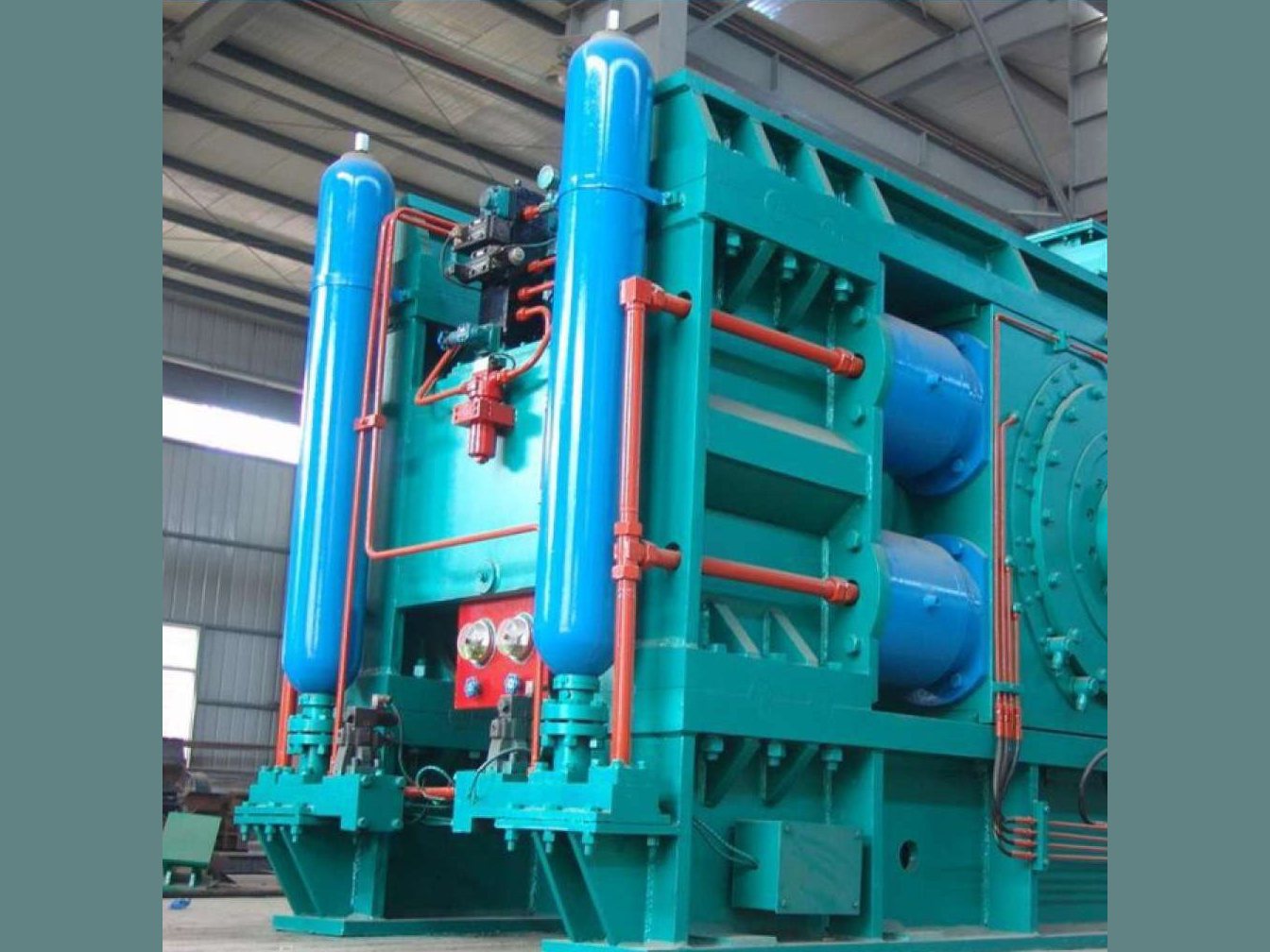
Production and quality control
Every batch runs through a closed process chain — wet milling, TPA pressing, HIP sintering, precision grinding and 100% final inspection — with physical and chemical checks at each gate.
- 01Wet milling
- 02TPA pressing
- 03HIP sintering
- 04Precision grinding
- 05100% inspection
- 06Packing
Inspection items
- Chemical composition — WC / Co content
- Density to GB/T 3850 (ISO 3369)
- Hardness — Rockwell HRA to GB/T 7997 (ISO 3738-1) and Vickers HV30 to GB/T 4340.1 (ISO 6507-1)
- Transverse rupture strength to GB/T 3851 (ISO 3327)
- Cobalt magnetism and coercive force (ISO 3326)
- Metallographic structure, porosity and WC grain size (ISO 4505, ISO 4499)
- Appearance and dimensional tolerance of every stud
Batch certificate — typical measured values
Grade MR151, size Φ16 × 35 mm
| WC content | 84.9 % |
| Co content | 15.0 % |
| Density | 14.02 g/cm³ |
| Hardness | 86.0 HRA |
| TRS | 3,120 N/mm² |
| Porosity | A02 / B00 / C00 |
| WC grain size | 2.0 µm |
A certificate of quality like this accompanies every shipment. Third-party inspection by NCS is available on request.
Our production plant
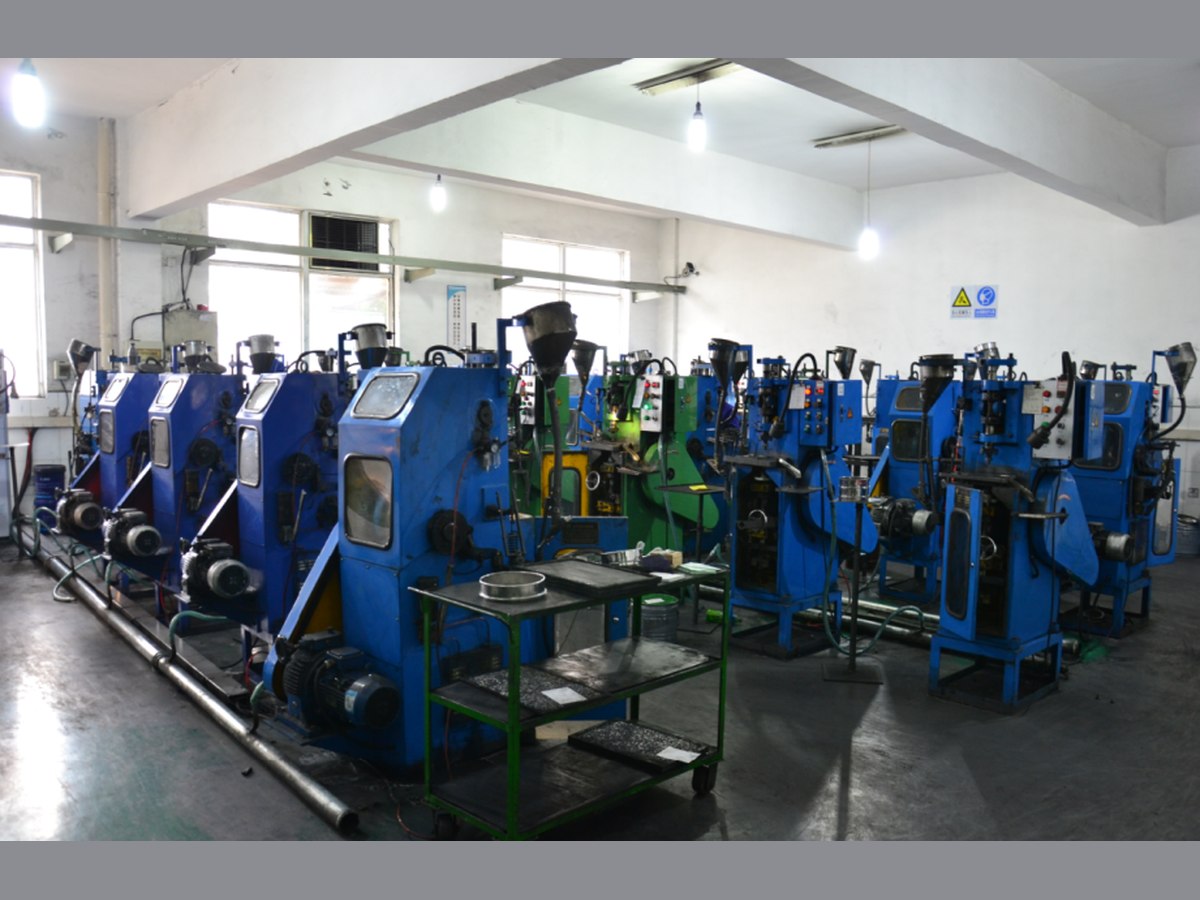
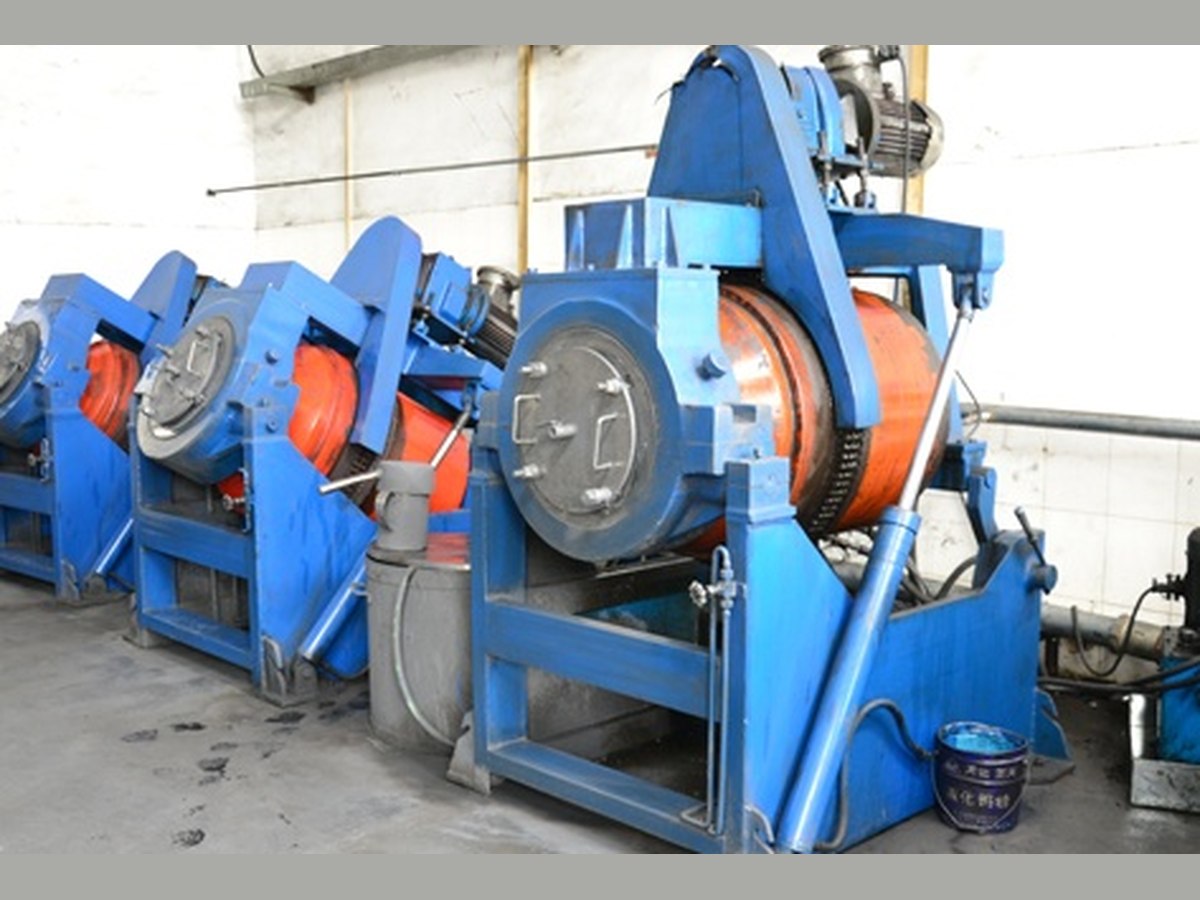
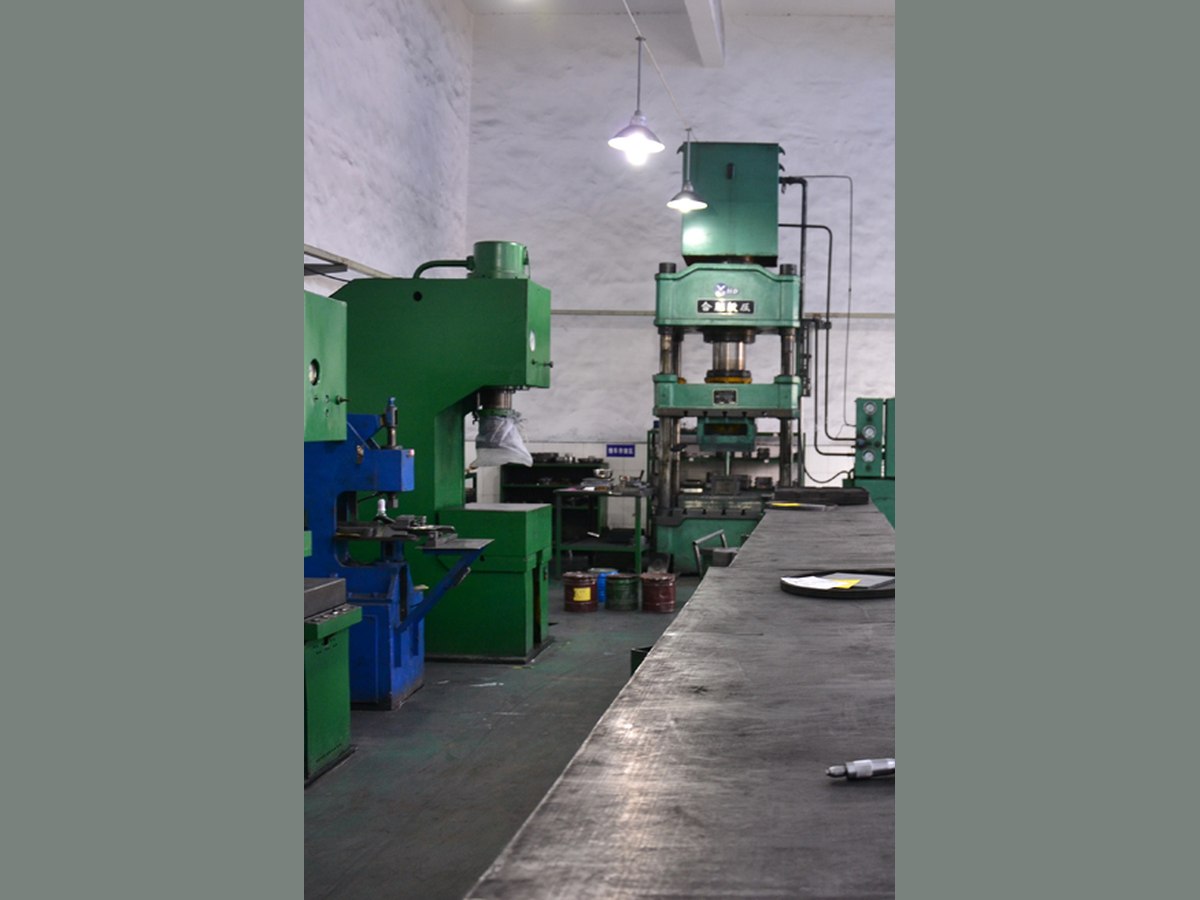
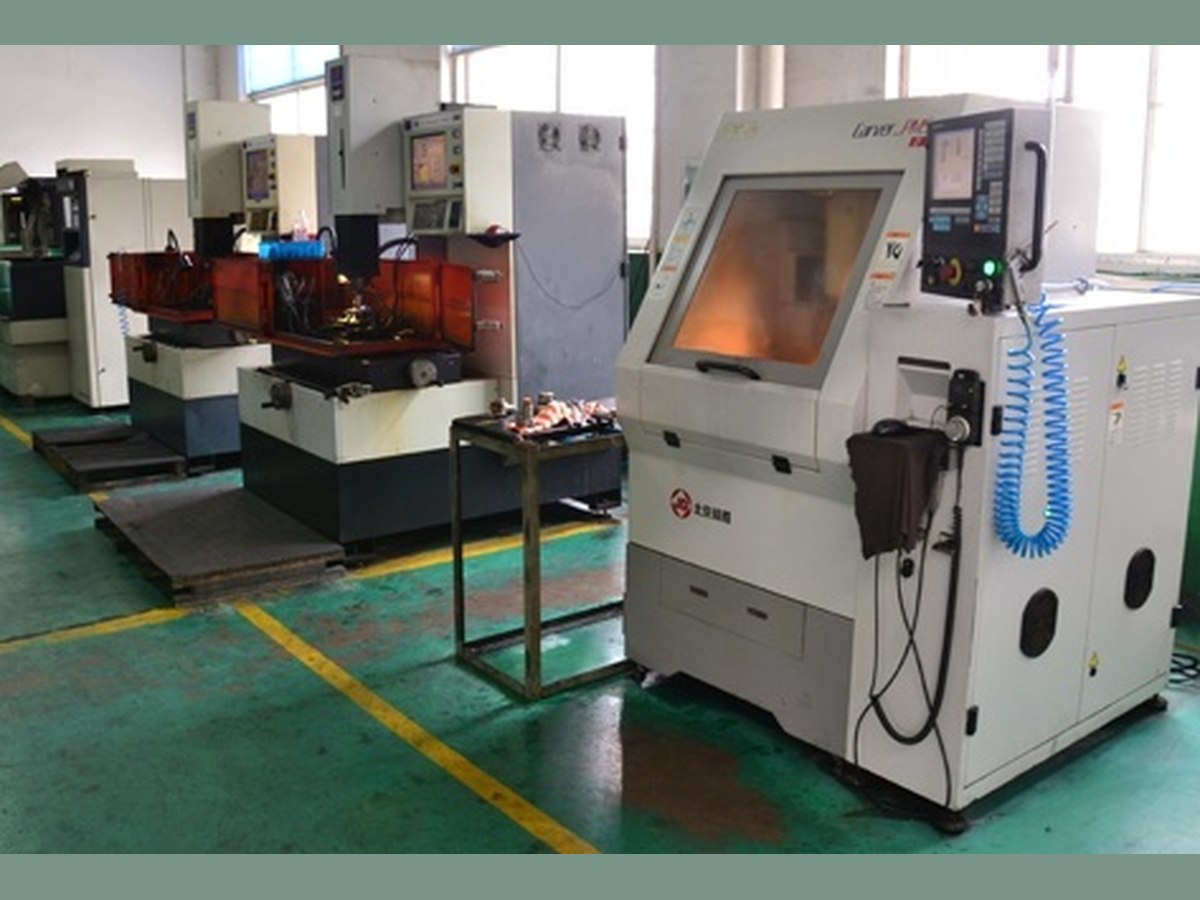
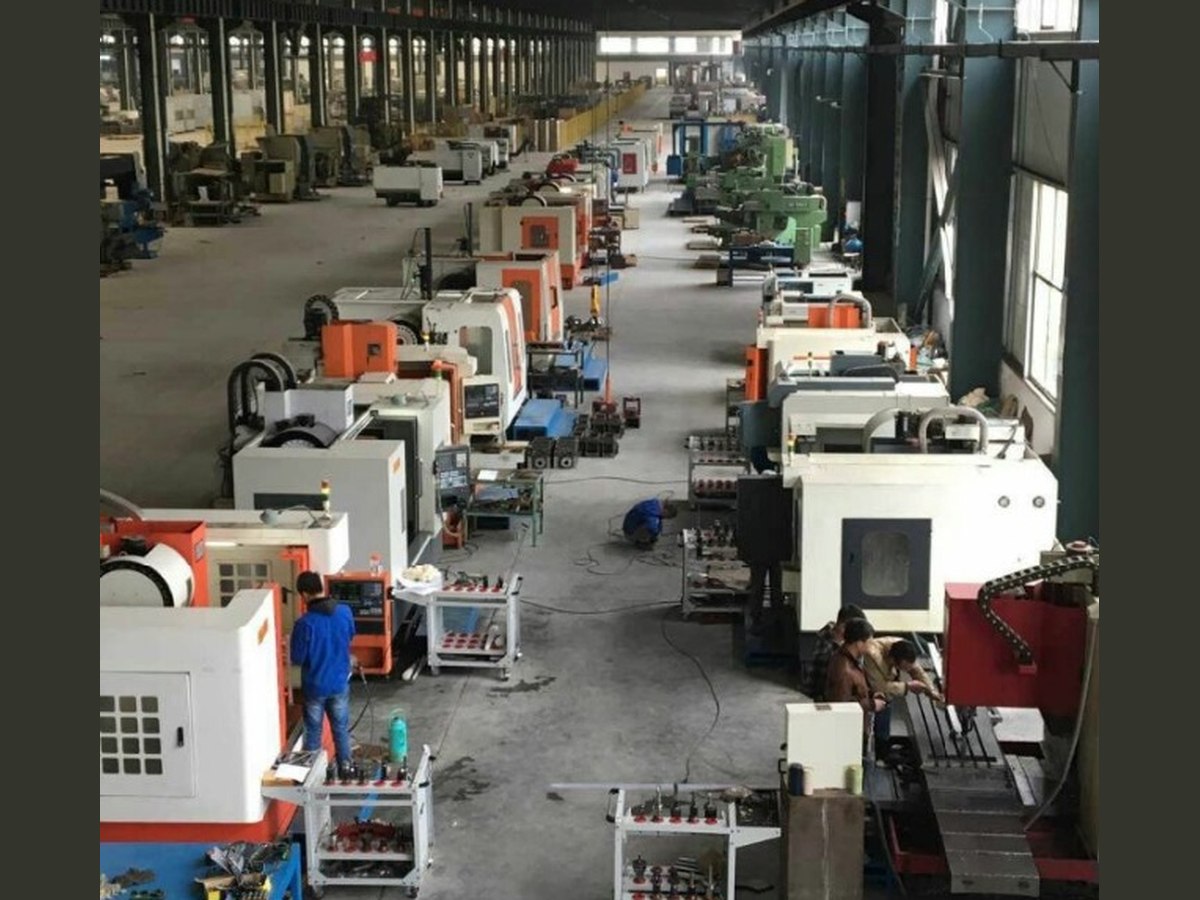
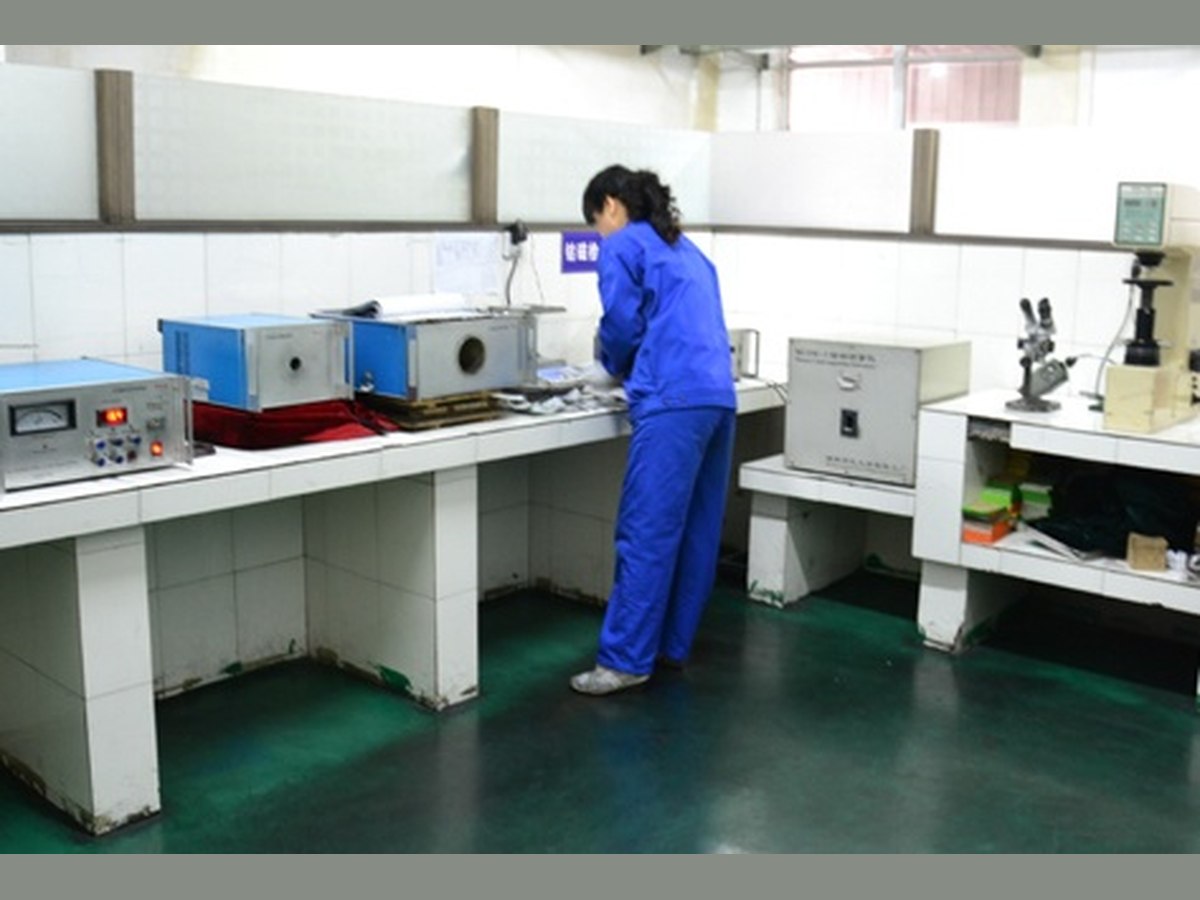
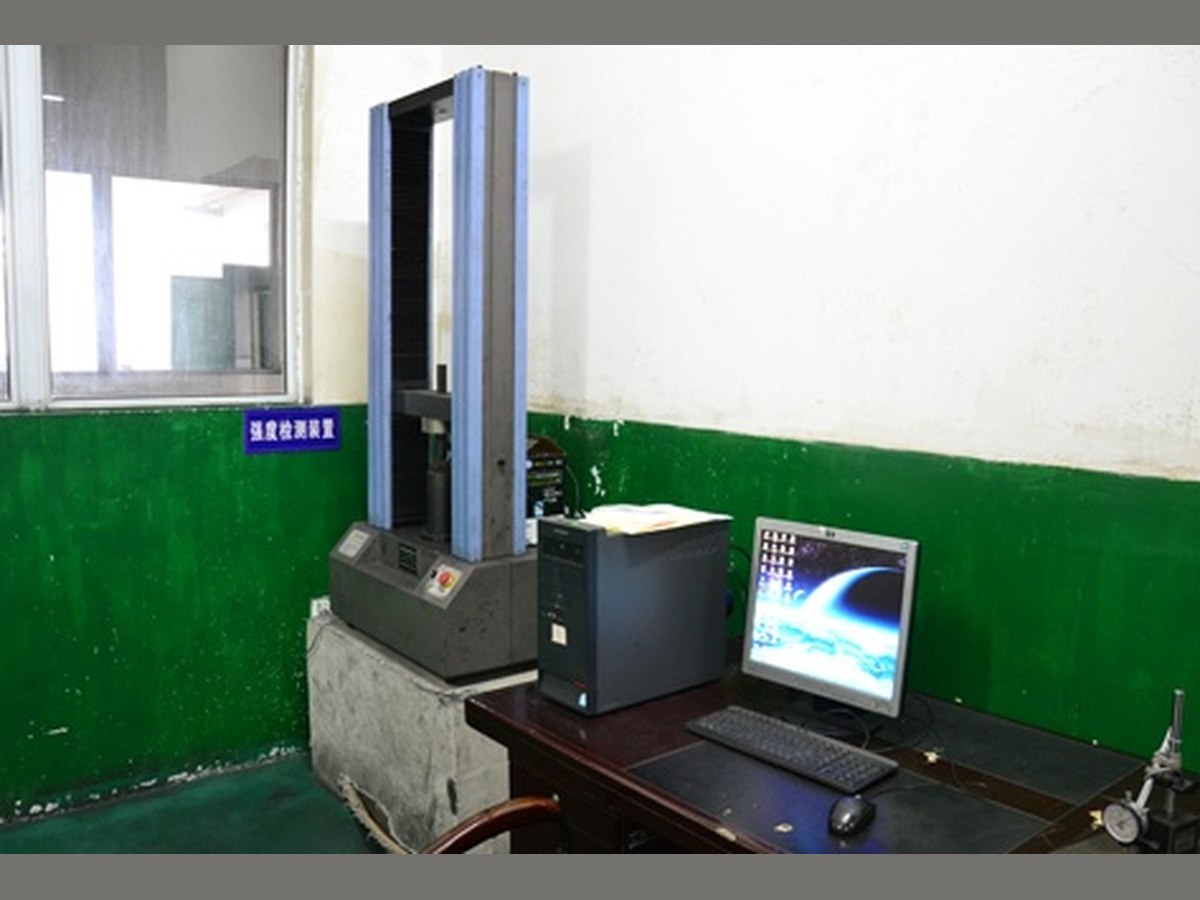
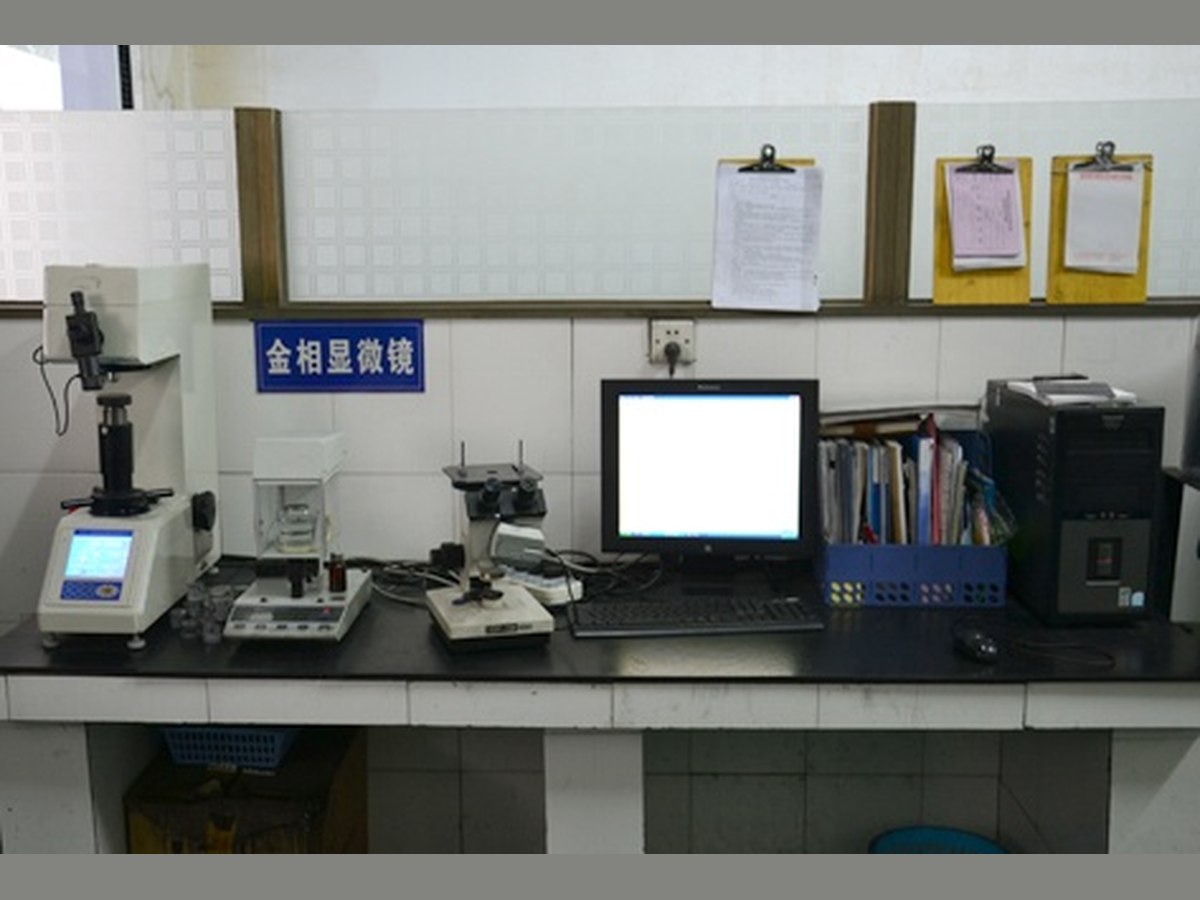
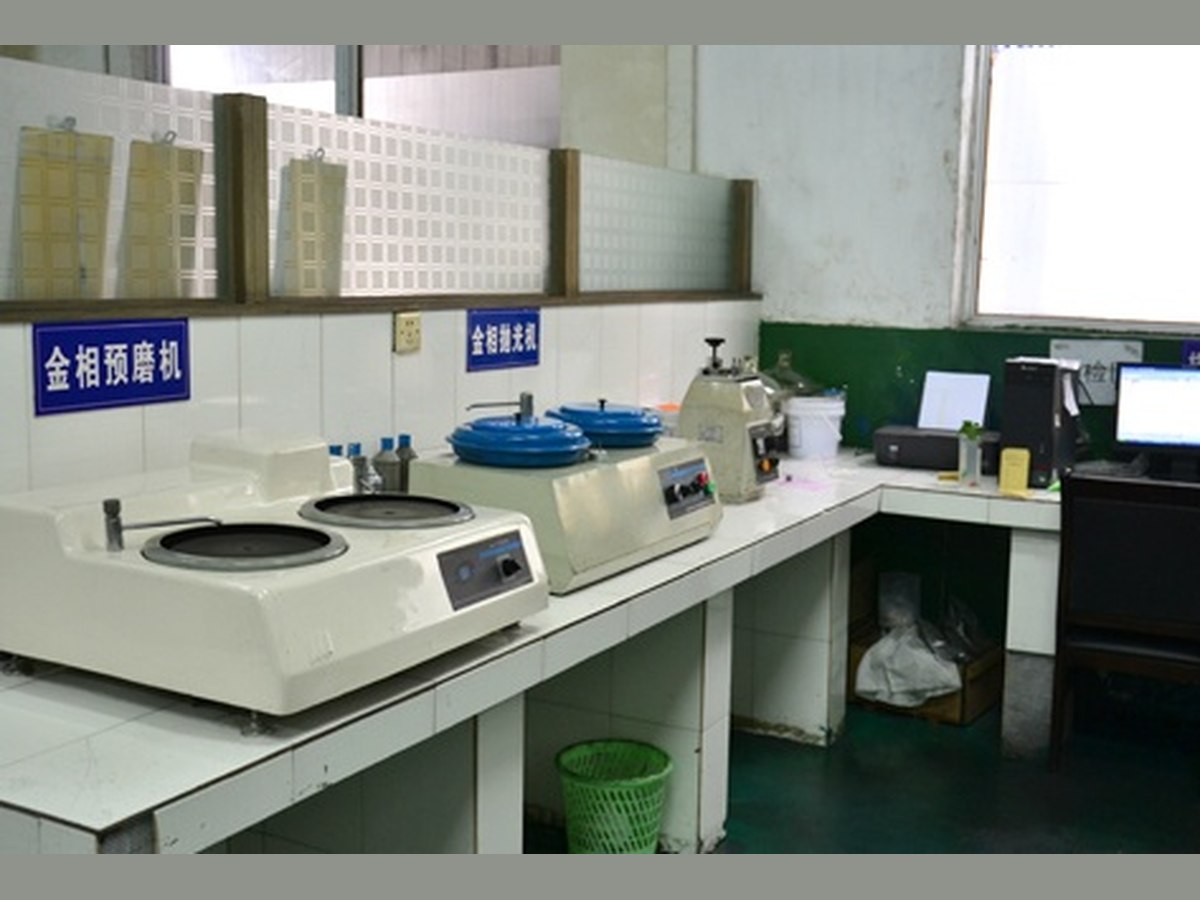
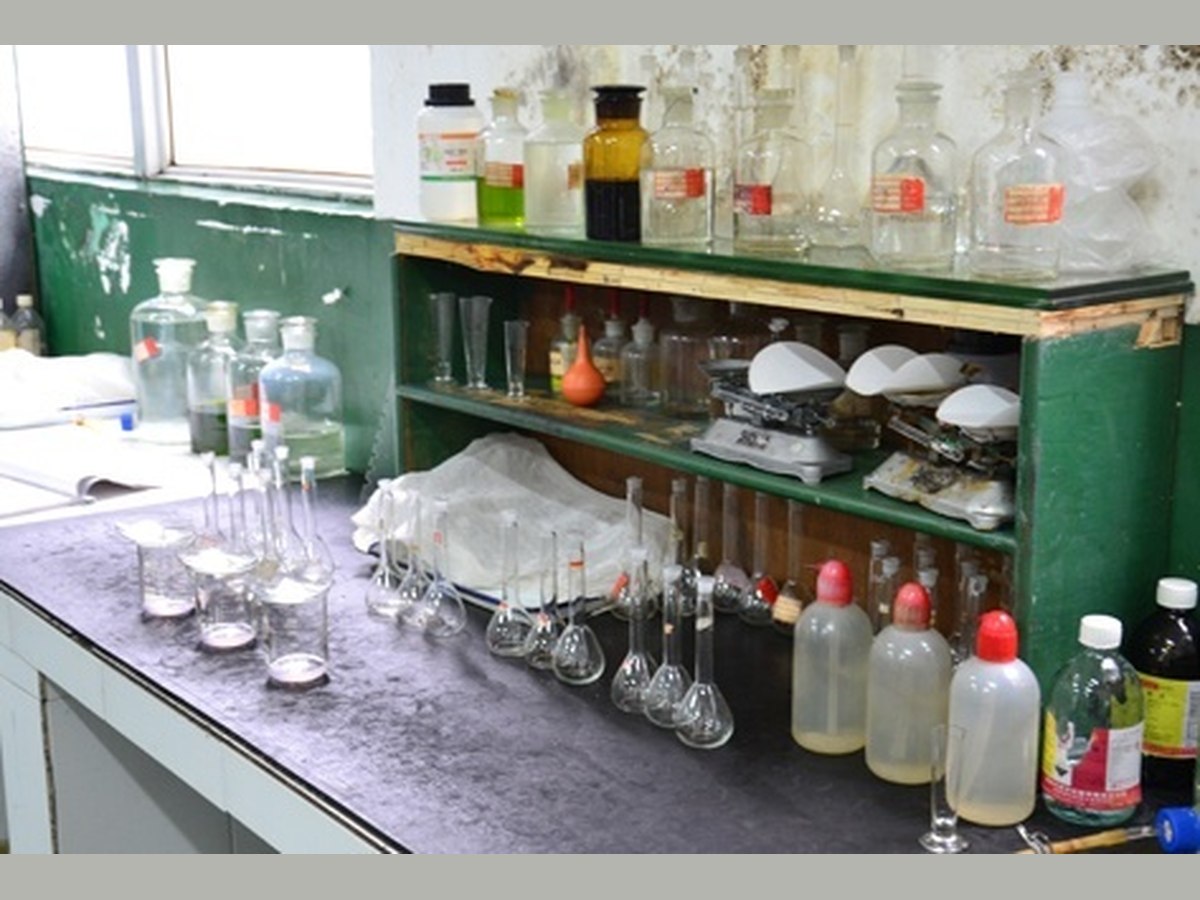
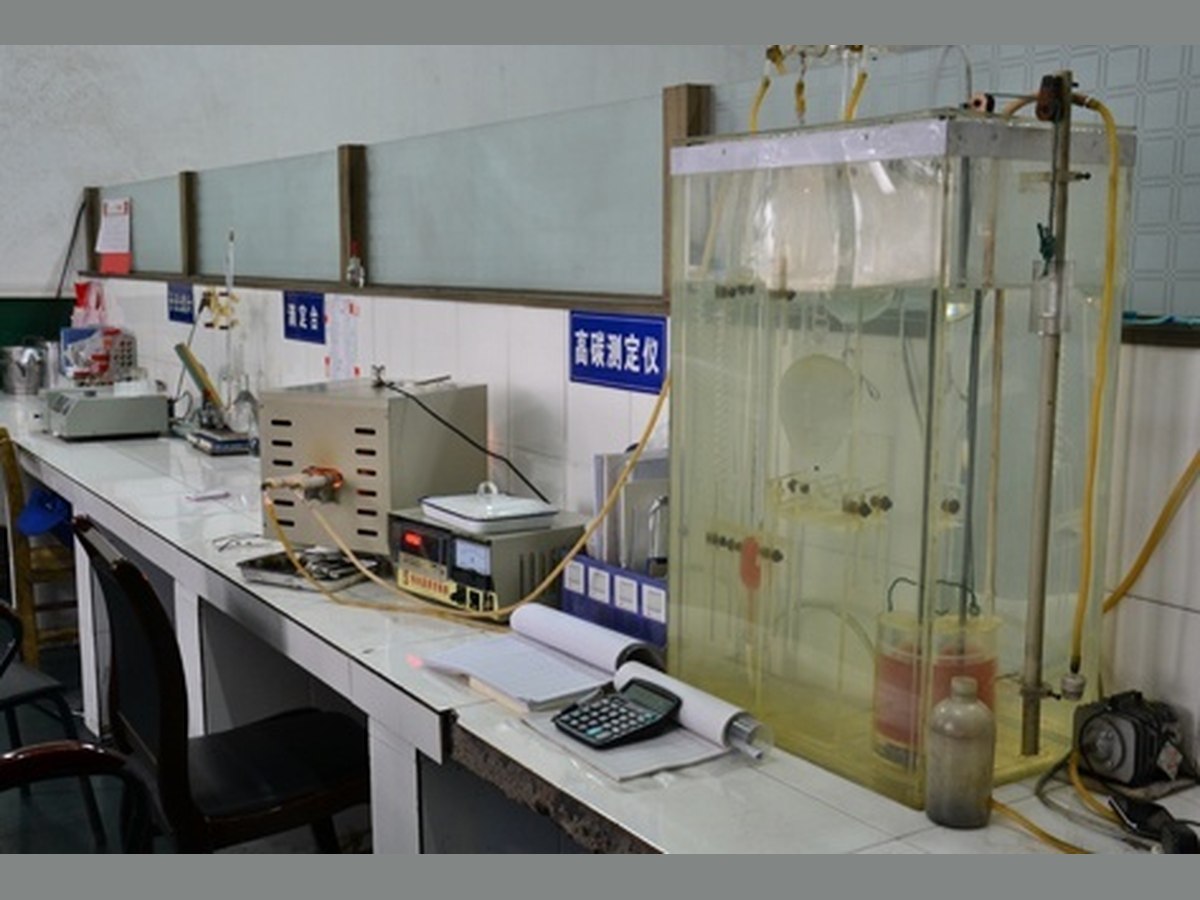
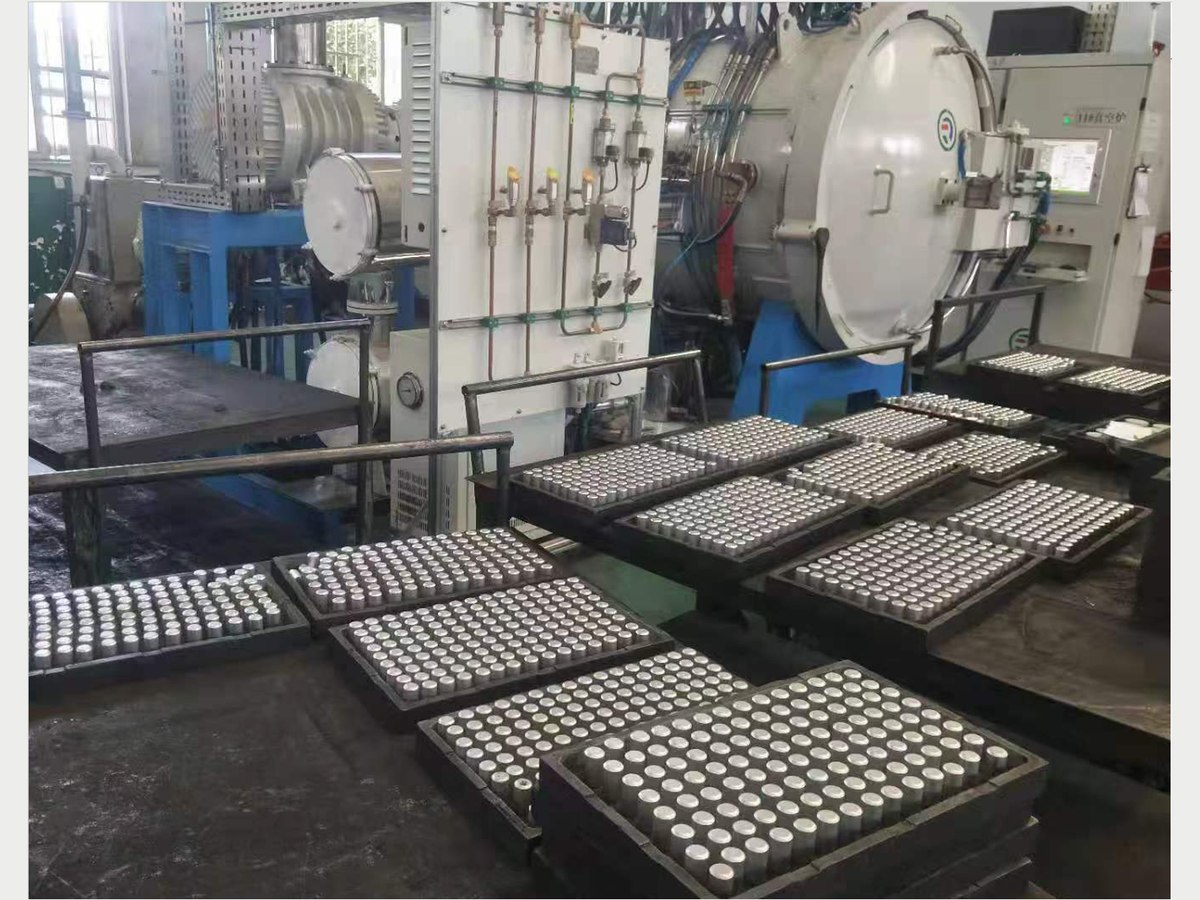
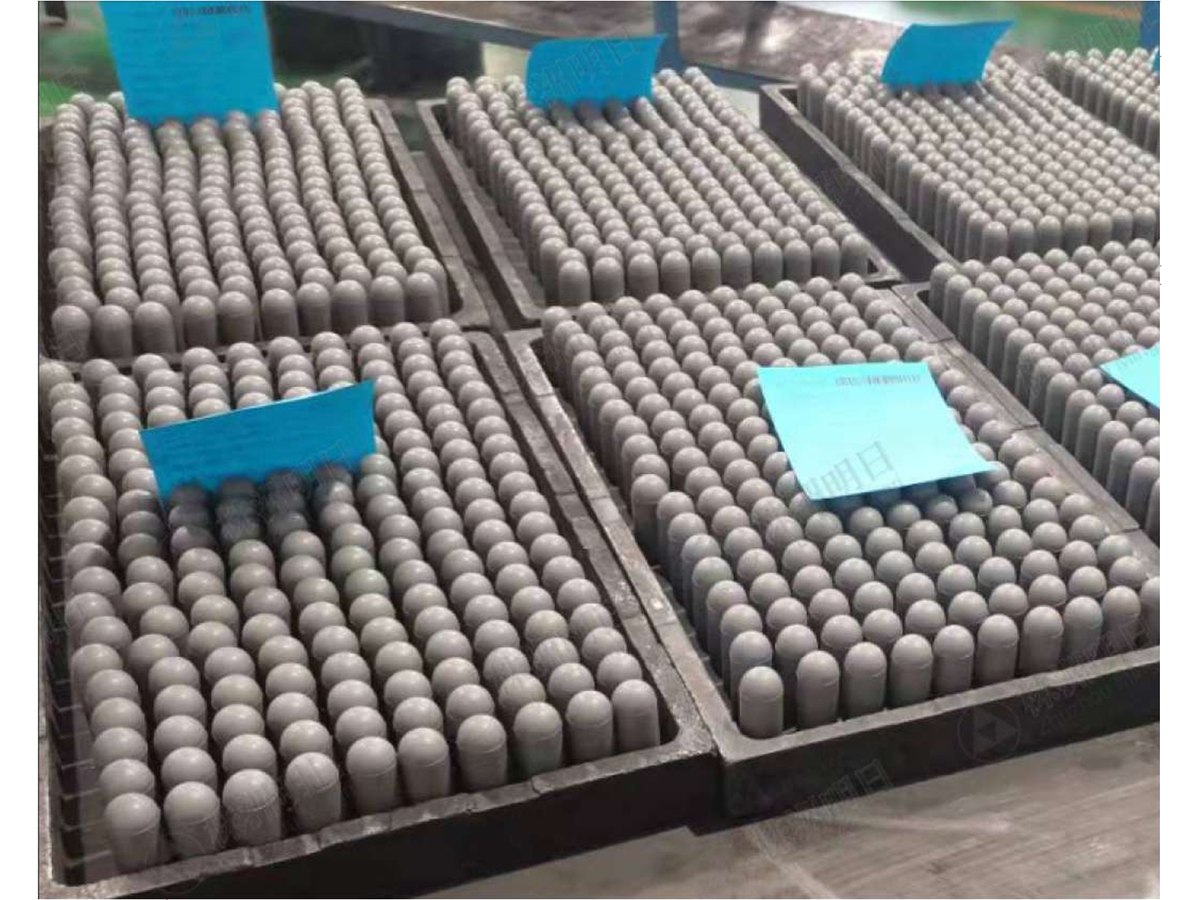
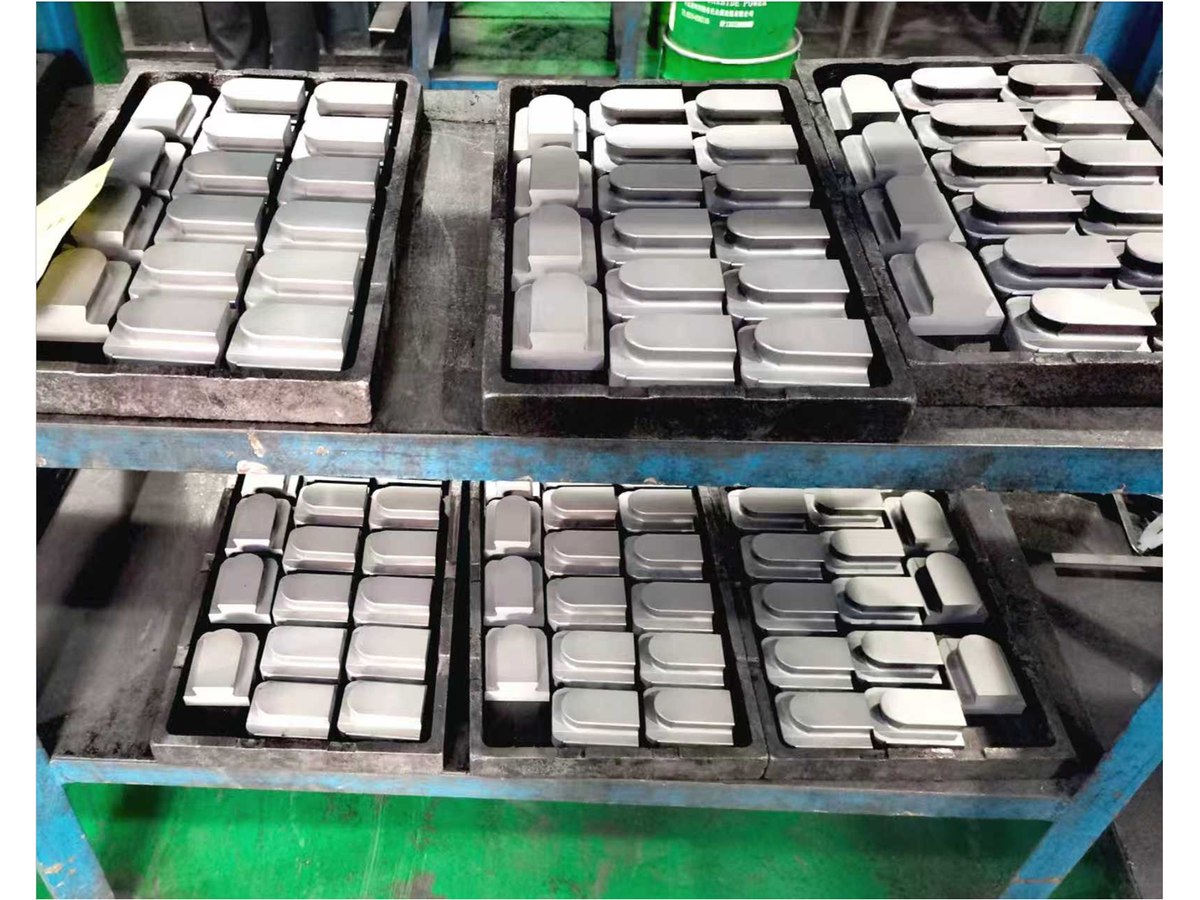
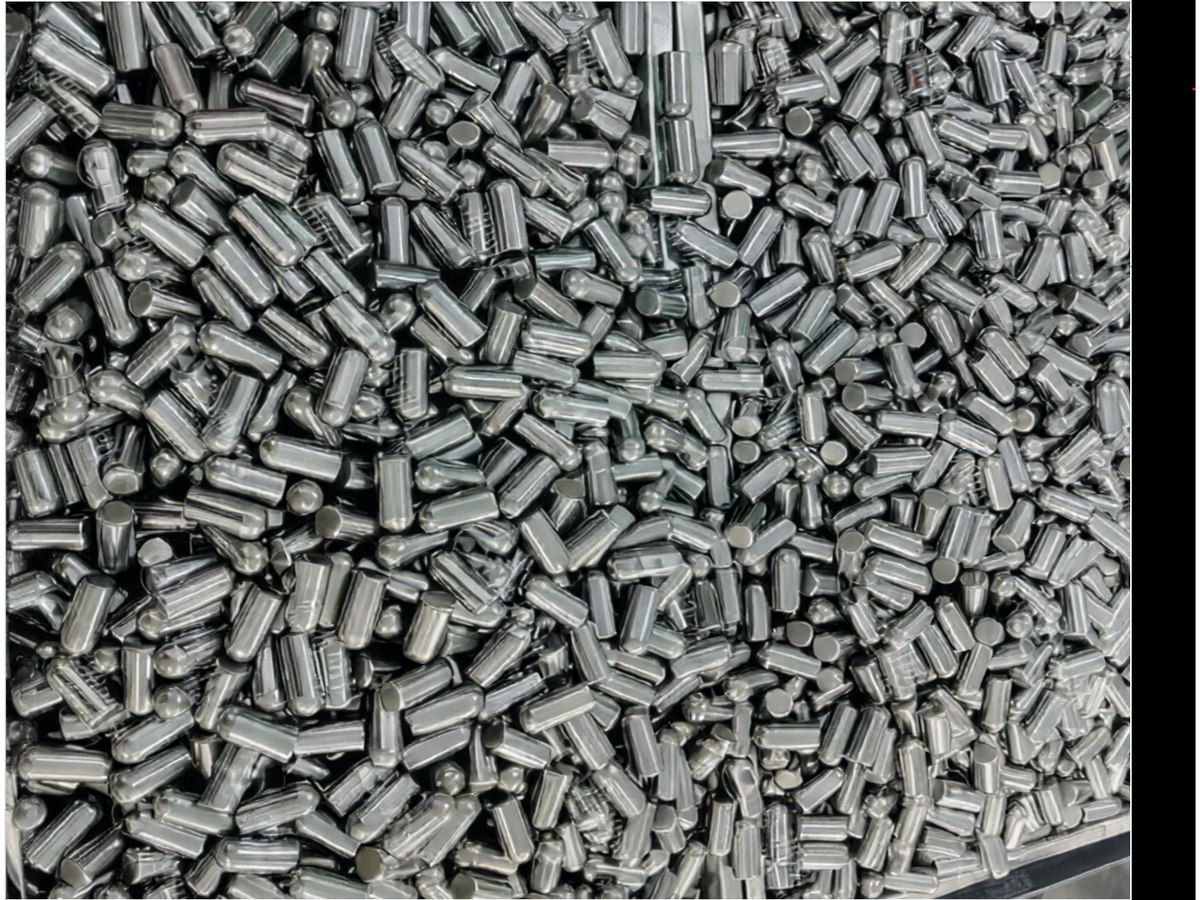
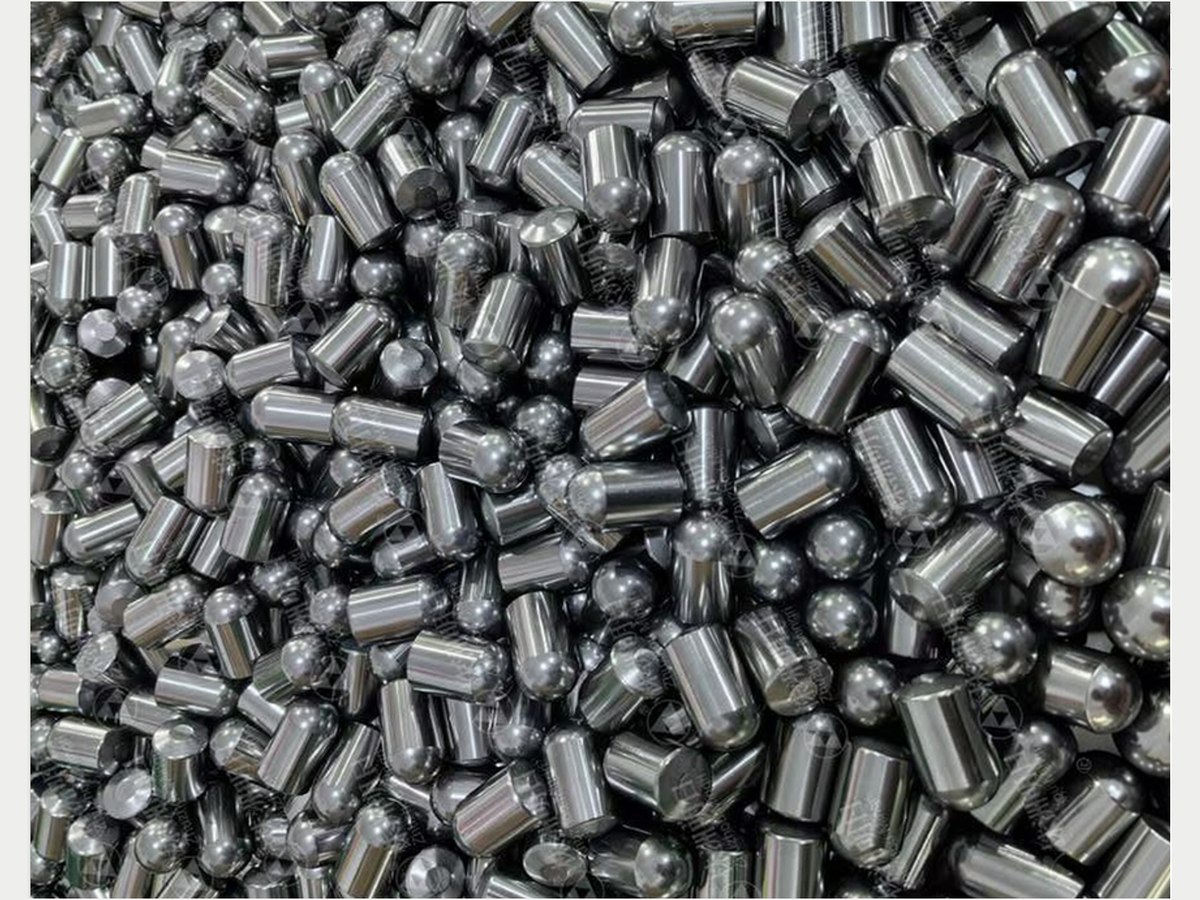
Behind every stud we ship stands a plant with a complete in-house production chain — from wet-milling ball mills and automatic TPA powder presses to HIP sintering furnaces, precision grinders and a fully equipped testing laboratory.
Production equipment
Inspection & testing laboratory
In production
Frequently asked questions
What are HPGR carbide studs?
HPGR carbide studs are tungsten carbide (WC-Co) pins press-fitted into holes drilled in the surface of high pressure grinding rolls. Their tips stand above the roll surface and, together with trapped feed material, form an autogenous wear layer that protects the roll and transfers the grinding pressure into the particle bed.
How long do tungsten carbide studs last compared with hardfacing rolls?
As a rule of thumb, about ten times longer. Typical field references are 10,000 hours on iron ore, 20,000 hours on copper ore with fine feed and 25,000–30,000 hours on cement raw meal and clinker — against roughly 2,000–4,000 hours for hardfaced surfaces in comparable duties.
Which carbide grade should I choose for my ore?
Grade selection balances hardness against toughness for your ore and feed size: MR11C or MR152/MR151 for iron ore below 20 mm, MR151 for iron ore up to 60 mm and gold ore, MR10C/MR11C for copper ore below 20 mm, and MR15C/MR18/MR20 for cement duties. Send us your ore type, feed size and roll data and our engineers will confirm the grade.
What stud types and sizes are available?
Four profiles: Type R1 spherical head (Ø8–20 mm, heights 20–60 mm), Type R2 hemispherical head (Ø16×45), Type F flat head (Ø10–16 mm) and Type T side studs (Ø21.9 mm, heights 26–45 mm) for roll-edge protection. Custom diameters, heights and head radii are produced to your roll drawings.
How are the studs installed and replaced?
Studs are press-fitted into the drilled roll surface with a controlled interference fit. Worn studs are extracted with hydraulic tooling and the roll is re-studded — no re-machining of the roll body is normally required. We supply installation guidance and can recommend extraction tooling.
Do you buy back worn or used carbide studs?
Yes. Tungsten carbide retains a high recycling value, so we buy back worn HPGR studs — our own or any other brand — at competitive prices, whether extracted from rolls or still set in scrapped roll surfaces. Send us the approximate quantity, condition and photos, and we will quote a buy-back price within 24 hours.
What do you need to prepare a quotation?
Roll diameter and width or HPGR model, stud size and profile (or roll/stud drawings), ore type and feed size, and the quantity per roll or per year. Our engineers reply within 24 hours with a grade recommendation and budgetary price.
Complete your grinding package
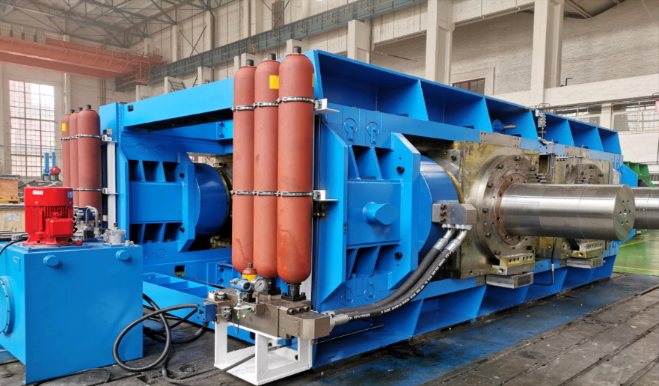
High Pressure Grinding Rolls
Energy-efficient HPGR machines with studded roll surfaces ready for these carbide studs.
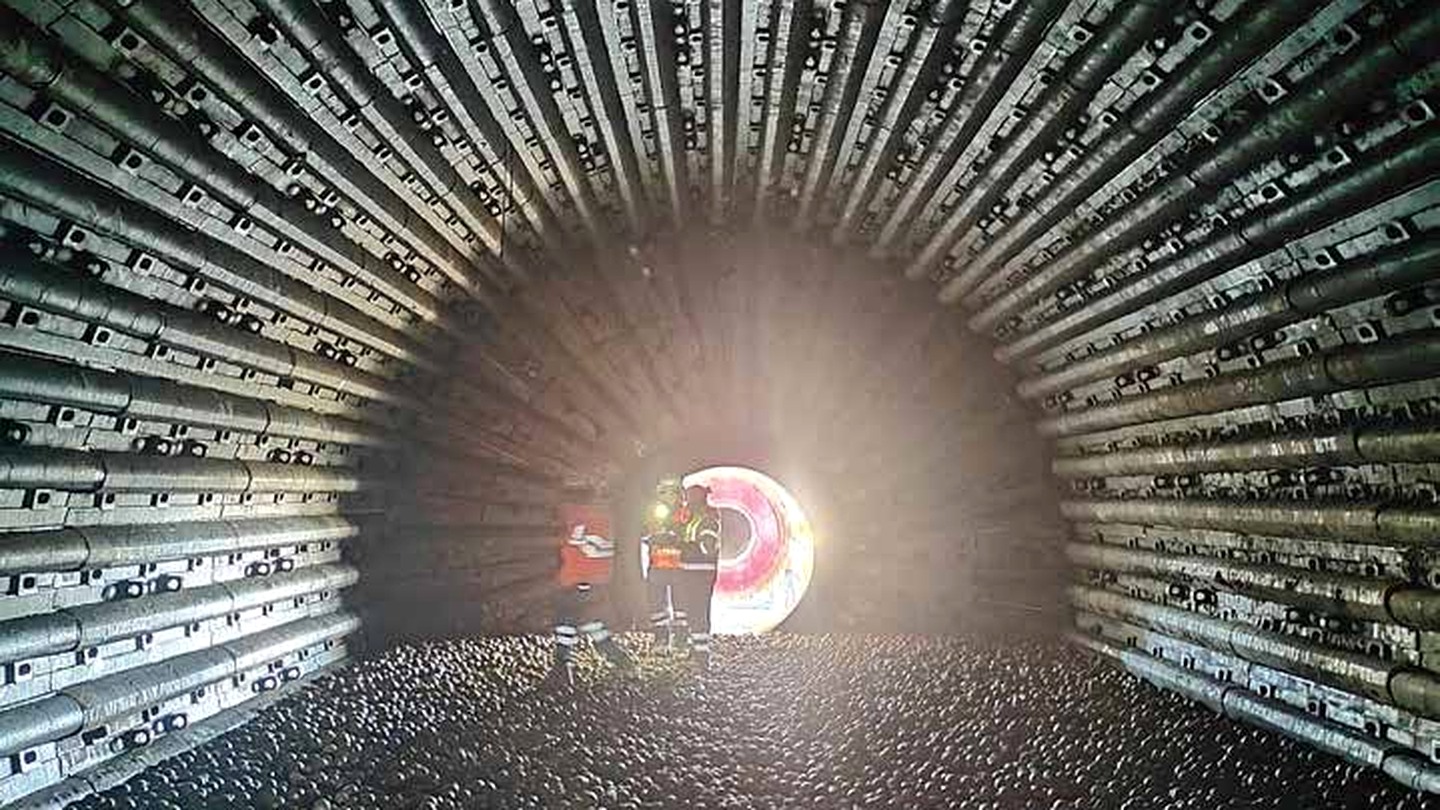
Mill Liners
Manganese steel, Cr-Mo alloy, rubber and composite liners for SAG and ball mills.
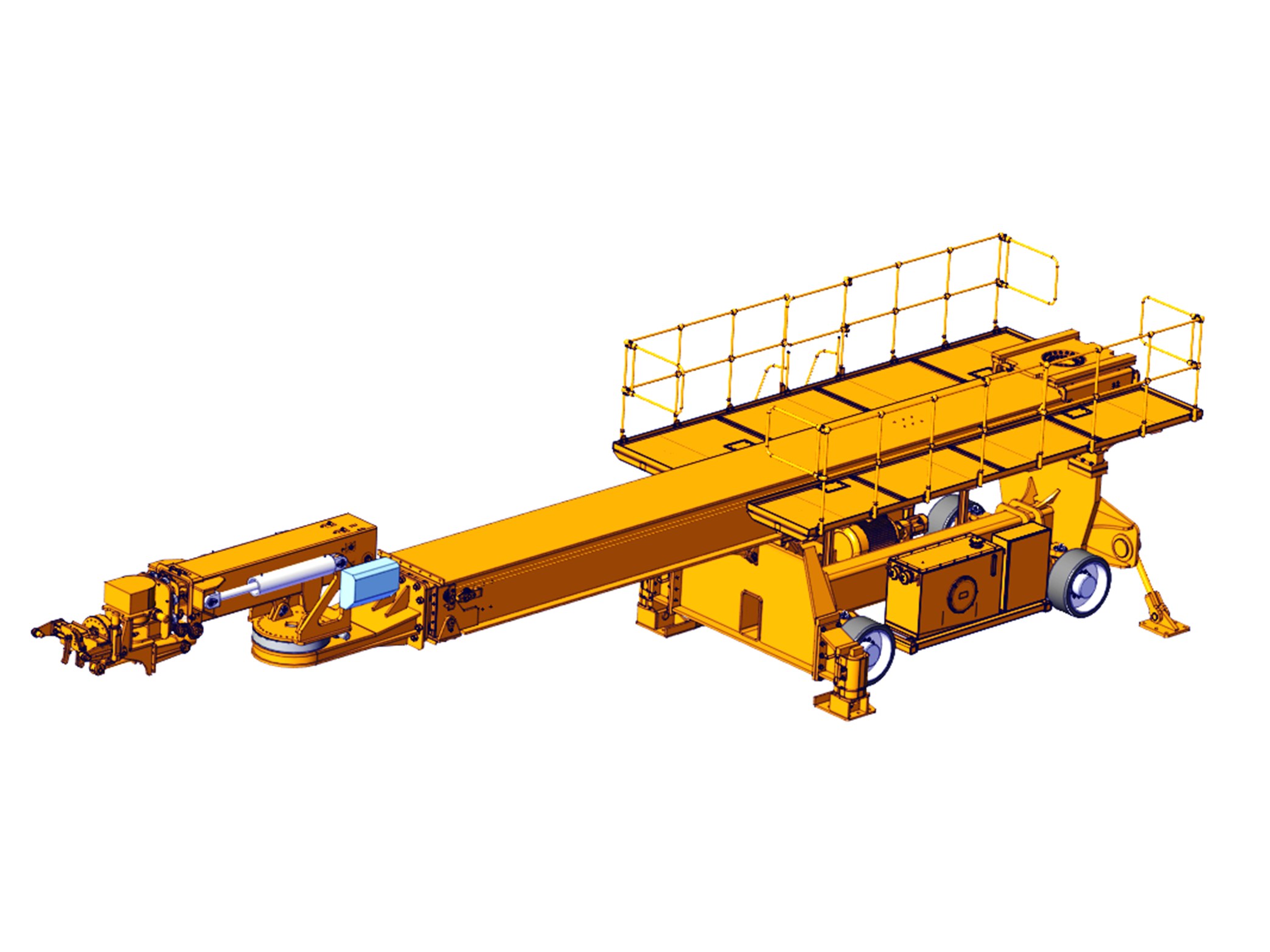
Mill Liner Handler
Mill relining machines from 300 kg to 7,500 kg liner capacity for fast, safe shutdowns.
Tell us about your ore — we will engineer the answer.
Send us your ore samples, drawings or equipment list. Our engineers reply within 24 hours with a technical proposal and budgetary quotation.