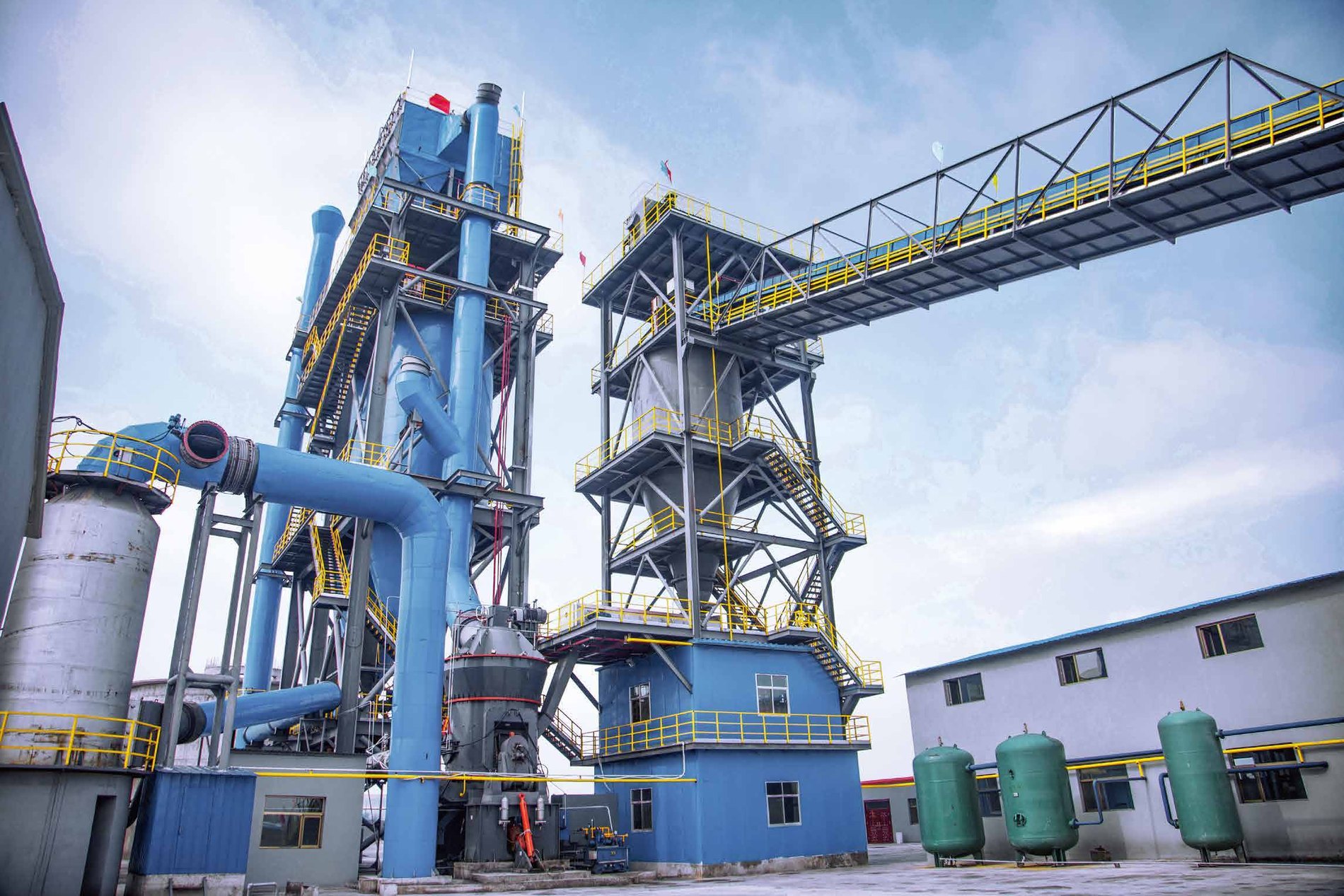
LM Vertical Roller Mill
Integrated drying, grinding, classification and product collection for ore, slag, coal, fine powder and pre-grinding duties.
One compact system for grinding, drying and classification
The LM vertical roller mill uses hydraulically loaded rollers on a rotating grinding table. Material is ground in a stable bed rather than by free-impact media, while hot gas dries the feed and carries fine particles to an integrated classifier. Coarse particles return to the table for further grinding; finished product leaves with the gas stream for collection.
Yanvic supplies LM-series configurations for cement raw materials and clinker, limestone, metallurgical slag, coal, industrial minerals and ore grinding. The compact vertical arrangement reduces building volume and combines several process steps in one machine, making it suitable for new plants, capacity upgrades and pre-grinding ahead of an existing ball mill.
Yanvic supports material review, model selection, heat and air balance, system configuration, equipment supply, interface engineering and commissioning guidance. Final sizing is confirmed against the material test data, target fineness and site conditions.
Core configuration
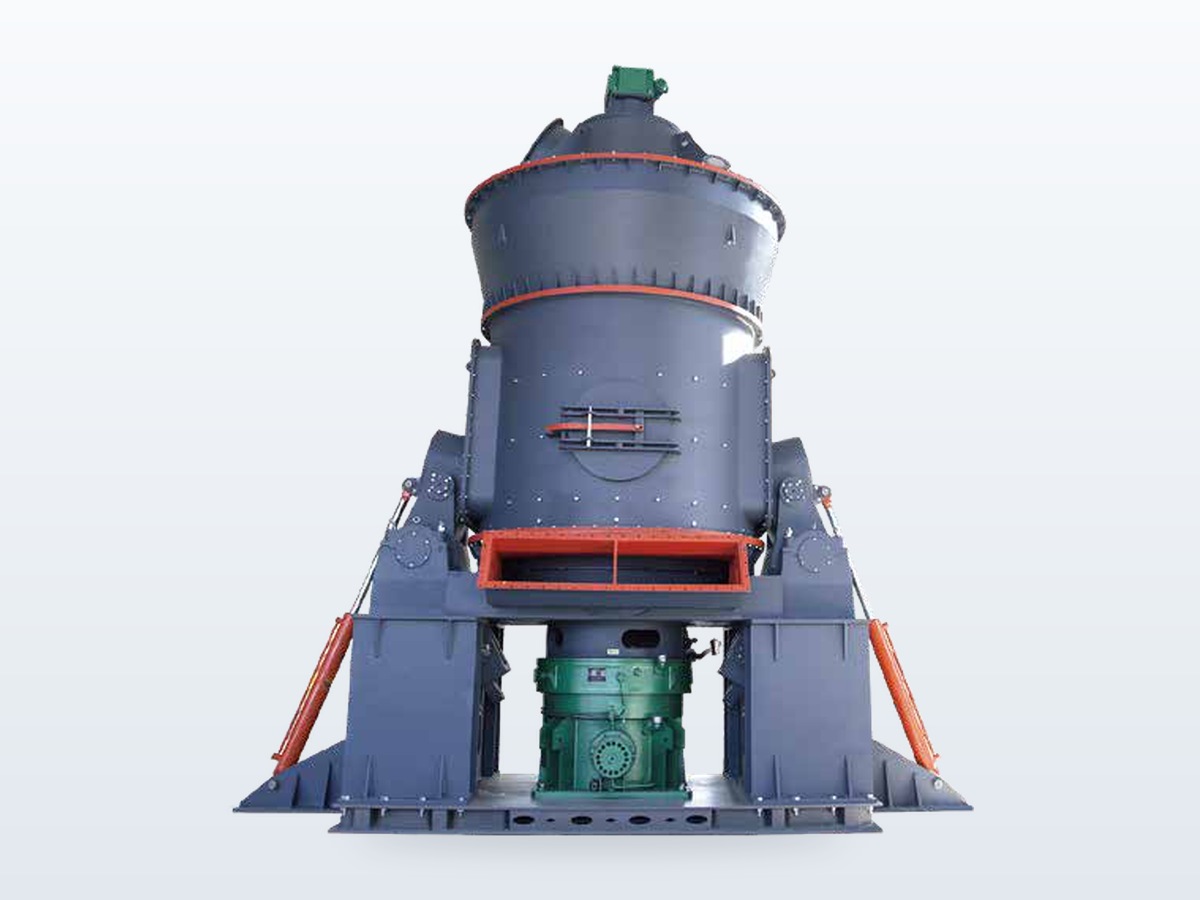
- High-efficiency dynamic classifier with adjustable cut size
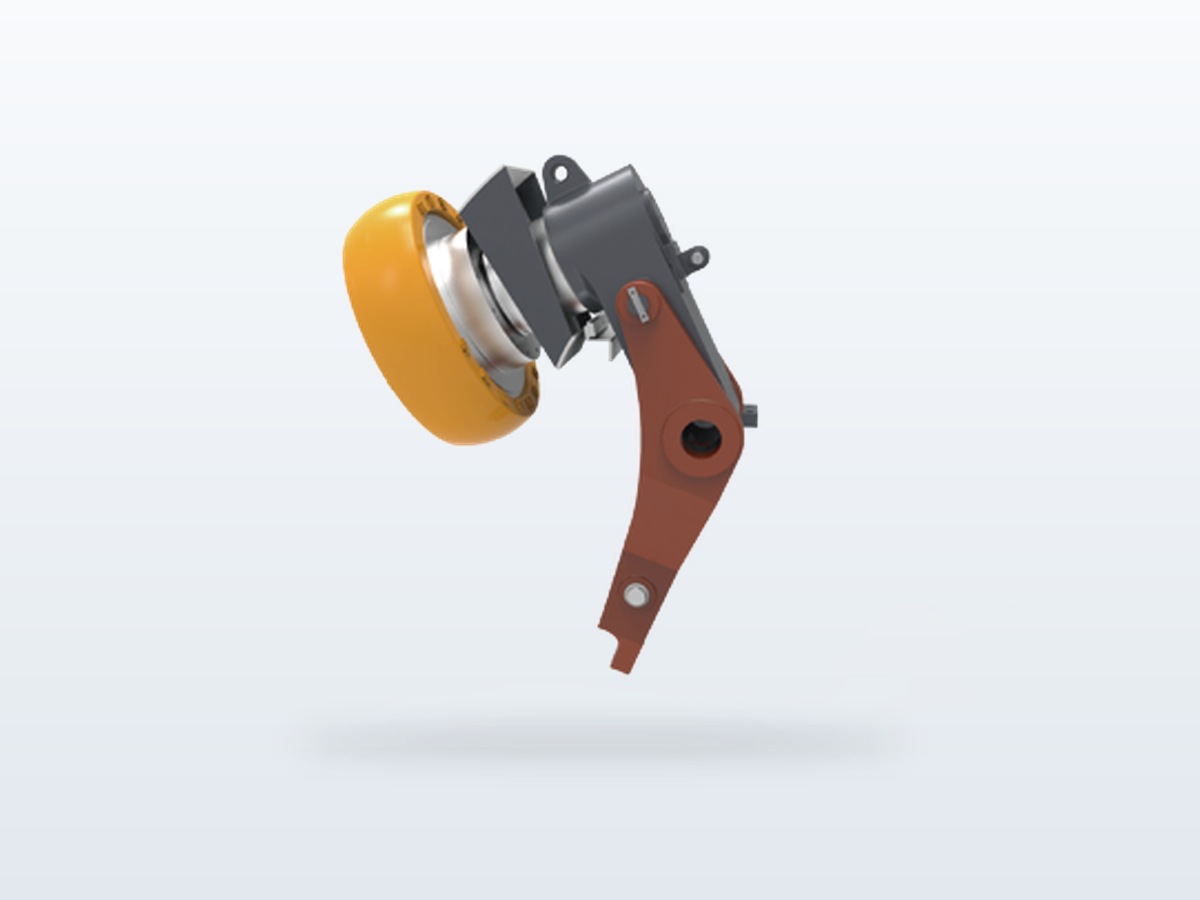
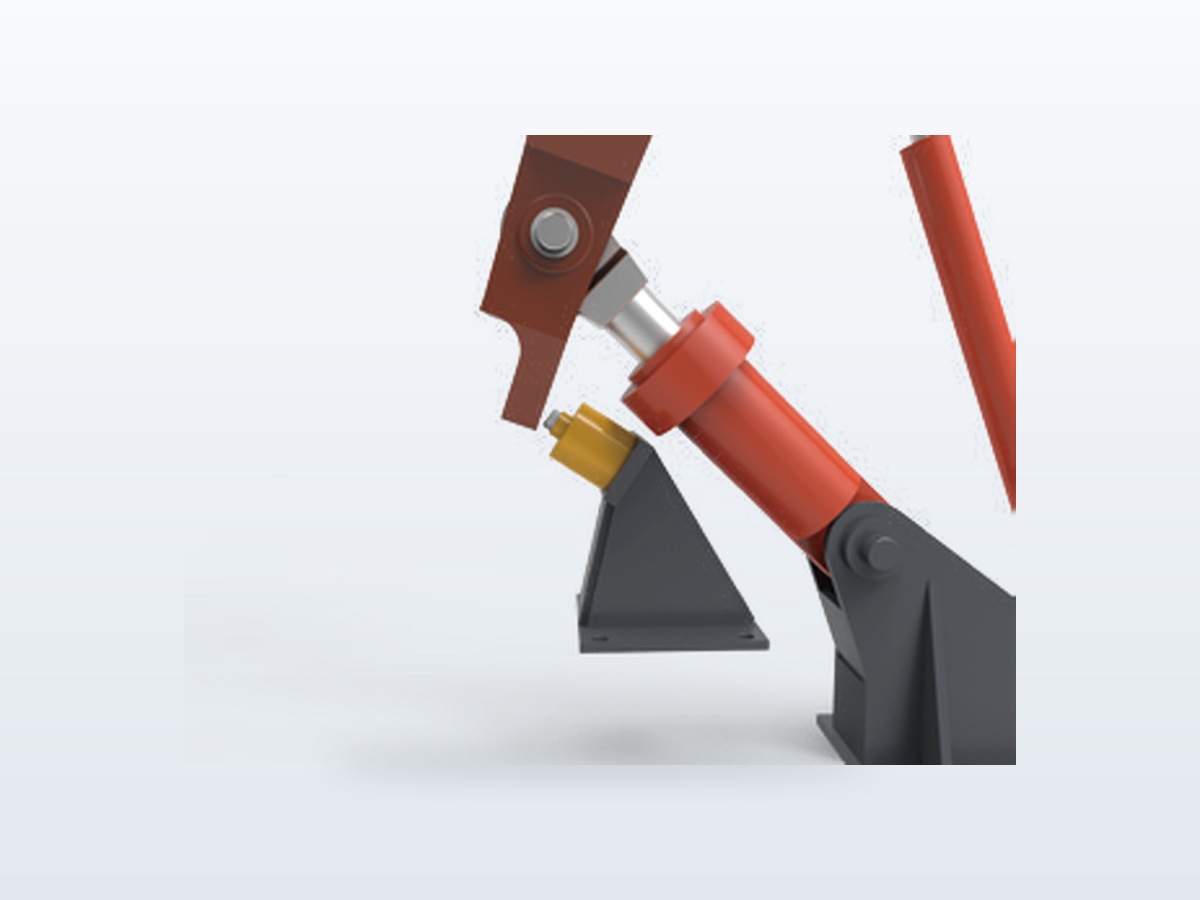
- Hydraulically loaded grinding rollers with mechanical limit protection
- Rotating grinding table driven by a heavy-duty gearbox and main motor
- Hot-gas inlet for simultaneous drying where required
- Air-lock feeder, mill housing, pressure system and integrated controls
- Optional dust collector, hot-gas generator, recirculation and product handling
Six series matched to the material and process duty
The LM platform is not a single general-purpose model. Roller arrangement, classifier, airflow, pressure and wear protection are selected for the feed material and required product.
LM-K · Ore & industrial minerals
Ten to 300 t/h standard range for ores and non-metallic minerals, with 40–170 µm product fineness depending on model and material.
LM-N · Slag grinding
Granulated blast-furnace slag and similar materials, configured for stable bed formation, drying and efficient classification.
LM-M · Coal grinding
Coal-mill configurations selected by capacity, feed size and Hardgrove Grindability Index; project-specific safety and explosion-protection review is required.
LMX-GX · Fine powder
Three-roller fine-powder series covering 400–600 mesh products for industrial mineral applications.
LM-Y · Clinker pre-grinding
Pre-grinding ahead of a downstream mill, with defined circulating load and product size distributions for cement clinker.
LM-Y · Limestone pre-grinding
High-capacity limestone preparation with compact layout and reduced load on the downstream grinding circuit.
Working principle and main assemblies
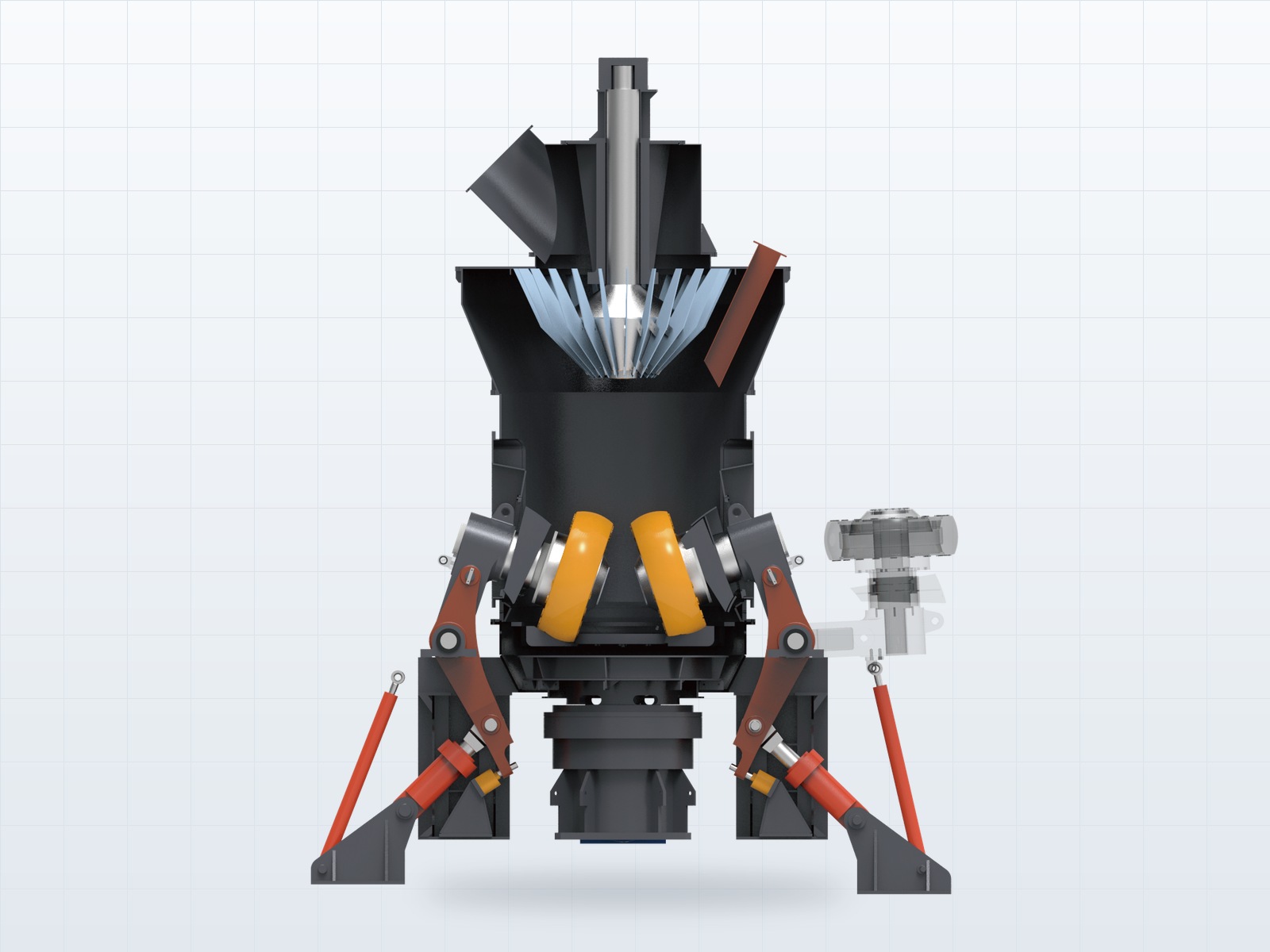
A vertical roller mill combines comminution, pneumatic transport and classification in a continuous circuit. Stable operation depends on the grinding bed, roller pressure, gas flow, classifier speed and feed moisture working together.
- 1
Metered feeding
Feed enters the centre of the rotating table through an air-lock feeder. Hot gas enters separately when drying is required.
- 2
Bed grinding
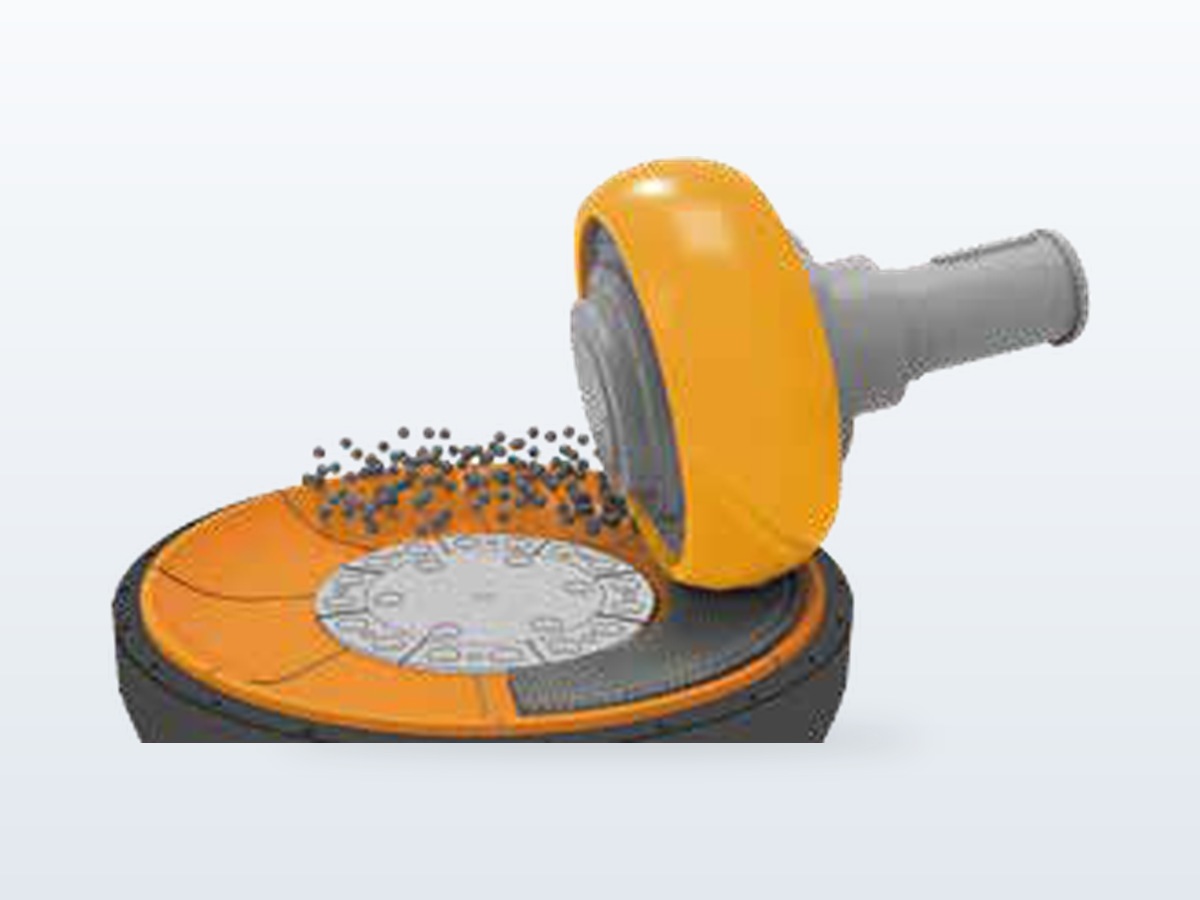
Centrifugal movement carries material beneath the rollers. Hydraulic pressure loads the rollers while a limit device prevents unintended metal-to-metal contact.
- 3
Drying & transport
The gas stream dries moist feed and carries crushed particles upward from the table edge through the nozzle ring.
- 4
Dynamic classification
The classifier returns oversize material to the grinding table and allows on-specification fines to pass to product collection.
- 5
Product collection
A pulse-jet bag filter or the selected collection system separates finished powder from the gas stream for downstream storage.
Why choose a vertical roller mill?
Actual savings depend on material, moisture, product fineness and the reference circuit. Yanvic compares the complete system rather than quoting an isolated mill power figure.
Compact plant layout
Grinding, drying, classification and pneumatic conveying are integrated. The source brochure estimates approximately 50% of the floor area of a comparable ball-mill system.
Strong drying capability
Direct contact between hot gas and material can handle feed moisture up to 15% in suitable configurations, subject to the heat and gas balance.
Lower specific energy
Bed grinding avoids part of the impact and media losses of a ball mill. The brochure states 30–40% potential system energy savings; project results must be verified by engineering.
Controlled roller loading
Hydraulic pressure adjusts grinding force while the limit device protects the roller and table from accidental contact and excessive vibration.
Open or drying circuit — configured around the feed
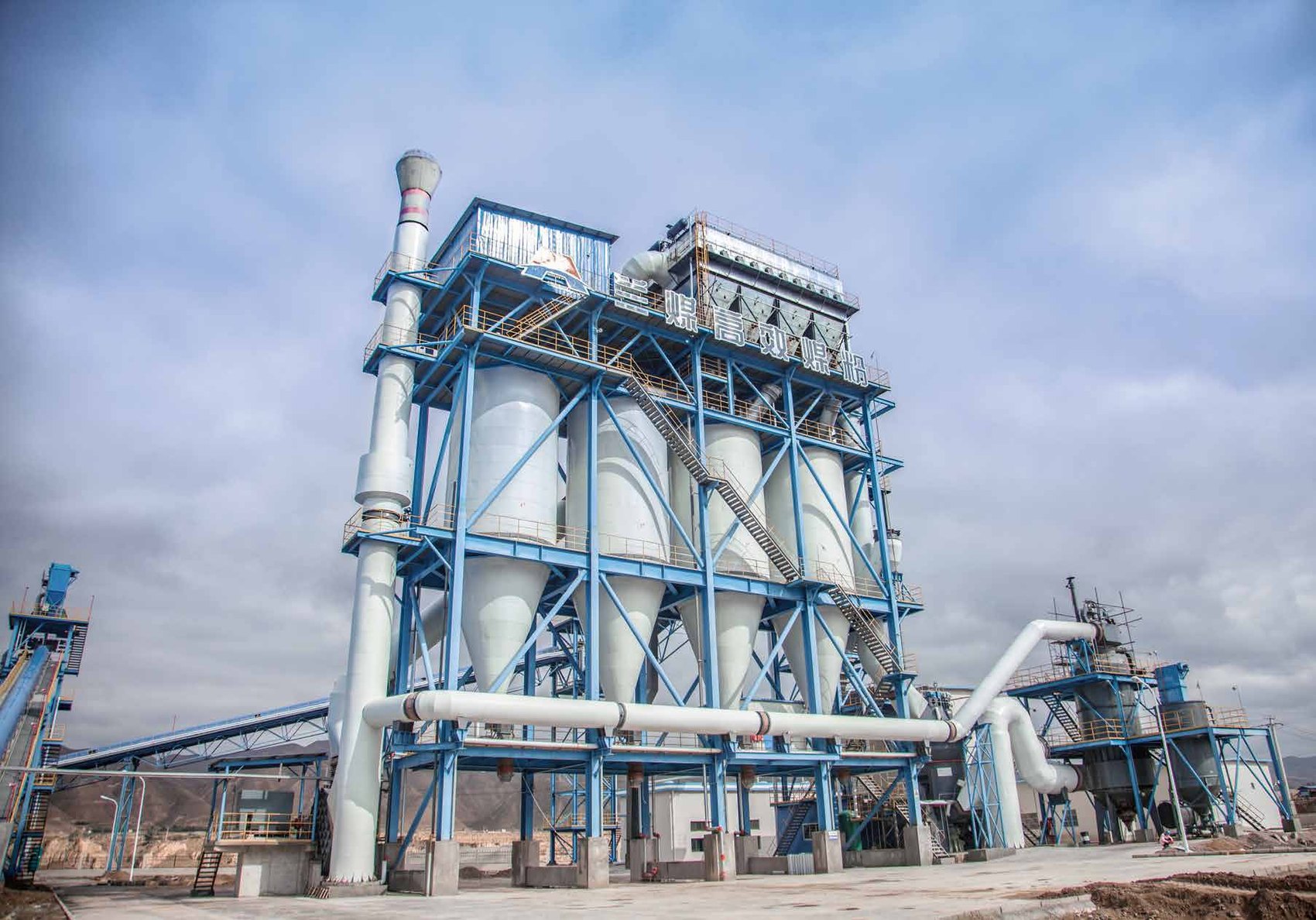
The mill is supplied as a process system, not just a standalone machine. Feed handling, tramp-metal removal, gas cleaning, product conveying and controls are engineered around the material and site.
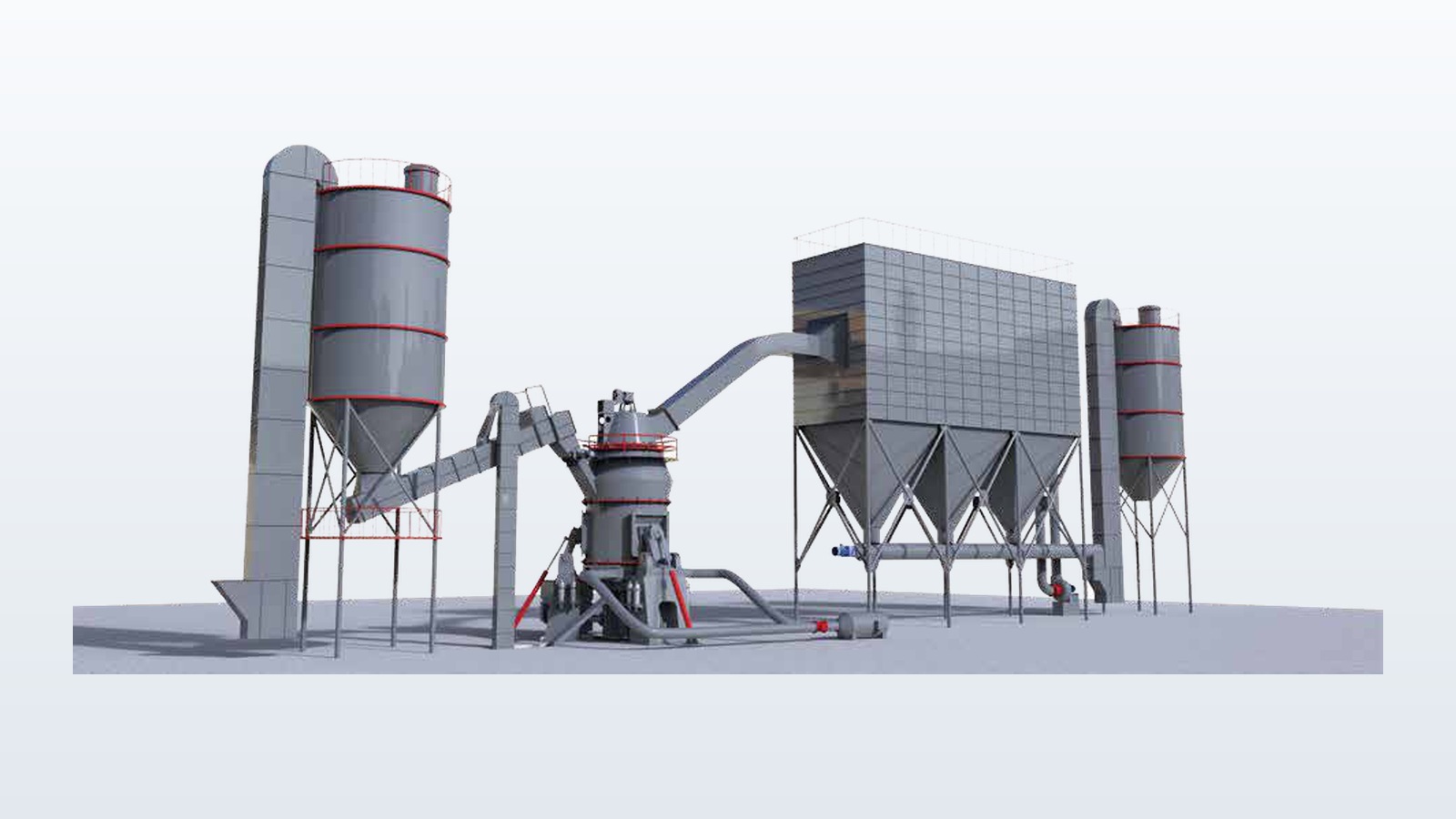
Single pulse-jet filter · open circuit
For relatively dry material, the standard arrangement uses an elevator, intermediate bin, weighed feeder, vertical mill, pulse-jet collector and product conveyor. It is a simple configuration without a dedicated hot-gas generator.
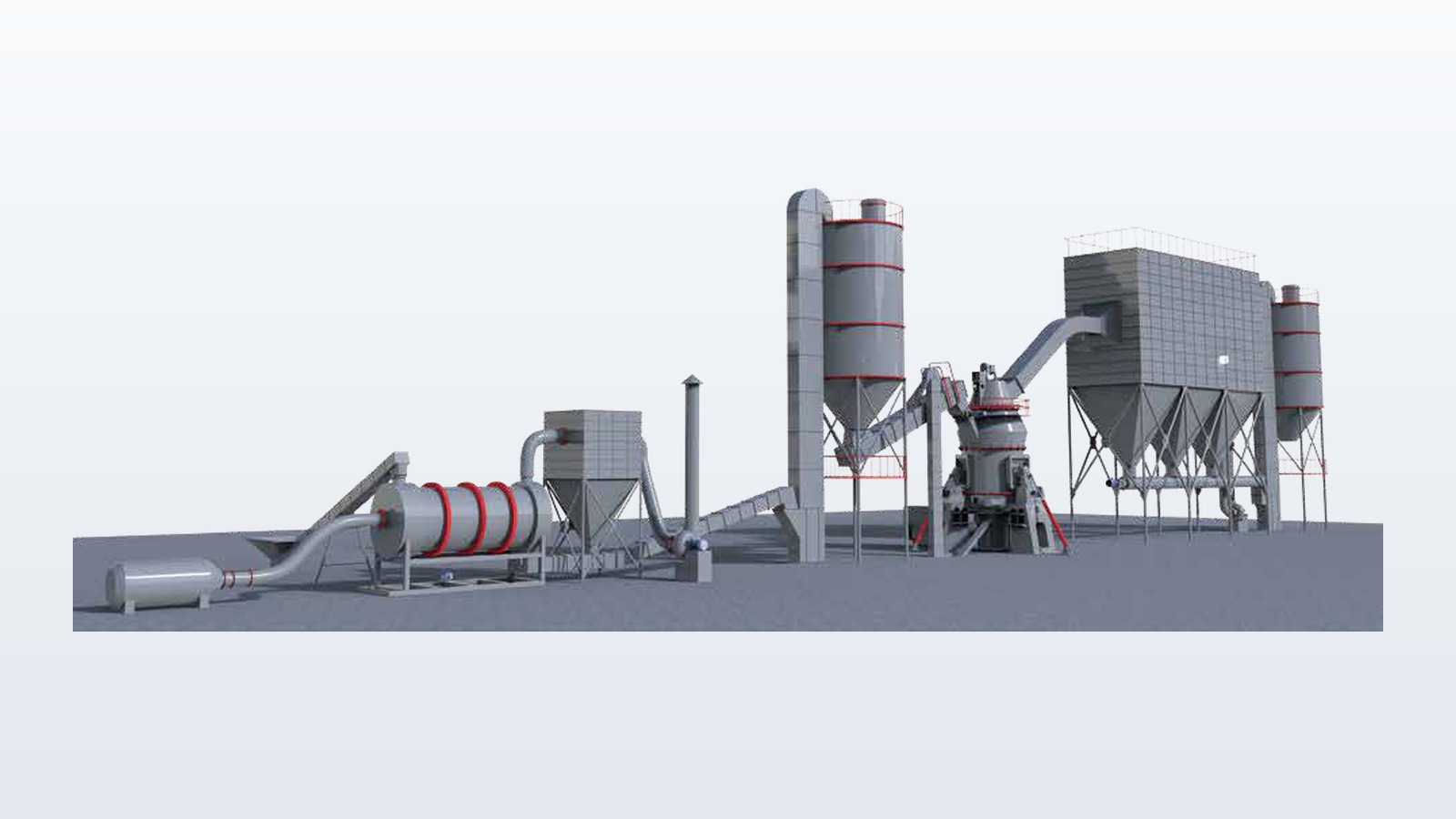
Single pulse-jet filter · drying circuit
A hot-gas generator adds simultaneous drying. Part of the warm exhaust can be recirculated where the process design permits, reducing separate drying equipment and fuel demand.
LM series technical specifications
Use these ranges for preliminary model screening. Capacity and motor power vary with grindability, moisture, feed size and target fineness; final values are confirmed after material review and detailed engineering.
LM-K vertical mill for ore+
| Model | Rollers, pcs | Capacity, t/h | Fineness, µm | Fineness, mesh | Max feed, mm | Main motor, kW |
|---|---|---|---|---|---|---|
| LM130K | 2 | 10 – 28 | 40 – 170 | 80 – 400 | < 38 | 200 |
| LM150K | 2 | 13 – 38 | 40 – 170 | 80 – 400 | < 40 | 280 |
| LM170K | 2 | 18 – 48 | 40 – 170 | 80 – 400 | < 42 | 400 |
| LM190K | 2 | 23 – 68 | 45 – 170 | 80 – 325 | < 45 | 500 |
| LM220K | 2 | 36 – 105 | 45 – 170 | 80 – 325 | < 50 | 800 |
| LM280K | 3 | 50 – 170 | 45 – 170 | 80 – 325 | < 45 | 1250 |
| LM340K | 4 | 190 – 240 | 45 – 170 | 80 – 325 | < 50 | 2000 |
| LM370K | 4 | 240 – 300 | 45 – 170 | 80 – 325 | < 50 | 2500 |
LM-N vertical mill for slag+
| Model | Rollers, pcs | Capacity, t/h | Fineness, µm | Fineness, mesh | Max feed, mm | Main motor, kW |
|---|---|---|---|---|---|---|
| LM130N | 2 | 5 – 14 | 45 – 170 | 80 – 325 | < 38 | 200 |
| LM150N | 2 | 7 – 20 | 45 – 170 | 80 – 325 | < 40 | 280 |
| LM170N | 2 | 9 – 27 | 45 – 170 | 80 – 325 | < 42 | 400 |
| LM190N | 2 | 12 – 30 | 45 – 170 | 80 – 325 | < 45 | 500 |
| LM220N | 2 | 18 – 55 | 45 – 170 | 80 – 325 | < 50 | 900 |
| LM250N | 3 | 25 – 65 | 45 – 170 | 80 – 325 | < 50 | 1400 |
| LM280N | 3 | 40 – 90 | 45 – 170 | 80 – 325 | < 50 | 1800 |
| LM370N | 4 | — | 45 – 170 | 80 – 325 | < 60 | 3150 |
LM-M vertical mill for coal+
| Model | Rollers, pcs | Capacity, t/h | Coal fineness, % | Max feed, mm | HGI | Main motor, kW |
|---|---|---|---|---|---|---|
| LM80M | 2 | 3 – 5 | 5 – 20 | < 30 | > 55 | 55 |
| LM110M | 2 | 5 – 9 | 5 – 20 | < 30 | > 55 | 110 |
| LM130M | 2 | 10 – 17 | 5 – 20 | < 38 | > 55 | 185 |
| LM150M | 2 | 16 – 22 | 5 – 20 | < 40 | > 55 | 250 |
| LM170M | 2 | 20 – 30 | 5 – 20 | < 42 | > 55 | 315 |
| LM190M | 3 | 26 – 40 | 5 – 20 | < 45 | > 55 | 400 |
| LM220M | 4 | 35 – 50 | 5 – 20 | < 50 | > 55 | 500 |
| LM240M | 4 | 50 – 65 | 5 – 20 | < 50 | > 55 | 710 |
| LM280M | 3 | 60 – 90 | 5 – 20 | < 50 | > 55 | 900 |
LMX-GX fine powder vertical mill+
| Model | Rollers, pcs | Fineness, mesh | Capacity, t/h | Max feed, mm | Main motor, kW |
|---|---|---|---|---|---|
| LM110X-GX | 3 | 400 – 600 | 3 – 8 | 10 | 160 |
| LM130X-GX | 3 | 400 – 600 | 4 – 12 | 10 | 220 |
| LM150X-GX | 3 | 400 – 600 | 6 – 14 | 20 | 280 |
| LM170-GX | 3 | 400 – 600 | 8 – 20 | 20 | 400 |
| LM190X-GX | 3 | 400 – 600 | 13 – 26 | 20 | 500 |
| LM220X-GX | 3 | 400 – 600 | 15 – 30 | 20 | 560 |
LM-Y pre-grinding mill for cement clinker+
| Model | Rollers, pcs | Max feed, mm | Fineness 1, R0.08 | Output 1, t/h | Fineness 2, R0.2 | Output 2, t/h | Circulation, t/h | Main motor, kW |
|---|---|---|---|---|---|---|---|---|
| LM150Y | 2 | 20 | ≤ 15% | 15 – 20 | ≤ 5% | 9 – 15 | 40 – 70 | 280 |
| LM170Y | 2 | 20 | ≤ 15% | 20 – 30 | ≤ 5% | 15 – 24 | 80 – 140 | 400 |
| LM190Y | 2 | 20 | ≤ 15% | 30 – 40 | ≤ 5% | 21 – 30 | 125 – 175 | 500 |
| LM250Y | 3 | 20 | ≤ 15% | 60 – 75 | ≤ 5% | 42 – 66 | 200 – 280 | 1250 |
| LM340Y | 3 | 20 | ≤ 15% | 160 – 200 | ≤ 5% | 110 – 150 | 600 – 800 | 2500 |
LM-Y pre-grinding mill for limestone+
| Model | Rollers, pcs | Max feed, mm | Fineness 1, R0.08 | Capacity, t/h | Main motor, kW |
|---|---|---|---|---|---|
| LM150Y | 2 | 20 | ≤ 15% | 35 – 60 | 280 |
| LM170Y | 2 | 20 | ≤ 15% | 60 – 90 | 400 |
| LM190Y | 2 | 20 | ≤ 15% | 80 – 120 | 500 |
| LM250Y | 3 | 20 | ≤ 15% | 160 – 180 | 900 |
| LM340Y | 3 | 20 | ≤ 15% | 250 – 300 | 1400 |
Reference data from the supplied LM brochure. Hot air is required when feed moisture exceeds the applicable limit or special drying is specified. Motor power may be adjusted for different materials and fineness targets.
A dash indicates that the value is confirmed during detailed engineering; no uncertain figure is published.
From material data to a complete grinding system
Correct selection requires more than tonnes per hour. Yanvic reviews the material and the whole circuit to define the mill, airflow, heat input, classifier and collection equipment as one package.
Information needed for selection
- Material type, bulk density, chemical composition and abrasiveness
- Maximum feed size, feed size distribution and moisture
- Required capacity and product fineness or residue
- Grindability data; HGI for coal applications
- Available fuel or hot-gas source and altitude / ambient conditions
- Site layout, product storage and preferred control interface
Yanvic scope of support
- Material evaluation and preliminary model selection
- Process flowsheet, heat balance and gas-flow configuration
- Mill, classifier, feeder, filter and hot-gas system supply
- Wear-part selection and recommended spare-parts package
- General-arrangement and interface drawing coordination
- Installation, commissioning and operator-training support
Frequently asked questions
What is an LM vertical roller mill used for?+
LM vertical roller mills are used for ore and industrial minerals, cement raw materials, clinker pre-grinding, limestone, granulated slag, coal and fine-powder production. The exact series and configuration depend on material properties, capacity, moisture and target fineness.
Can a vertical roller mill dry and grind at the same time?+
Yes. With a correctly sized hot-gas system, drying and grinding occur simultaneously. The source brochure states feed moisture up to 15% for suitable applications, but the allowable value must be confirmed by material behaviour and the heat and gas balance.
How does a vertical roller mill reduce energy consumption?+
It grinds a compressed material bed between rollers and a rotating table, while internal classification returns only oversize material. This can reduce energy losses associated with grinding media and external classification. The brochure quotes 30–40% savings versus a ball-mill system; actual savings are project-specific.
Which LM model do I need?+
Start with the material series: LM-K for ore, LM-N for slag, LM-M for coal, LMX-GX for fine powder and LM-Y for pre-grinding. Model size is then selected from capacity, feed size, grindability, moisture, fineness and site conditions. Send these data to Yanvic for a technical proposal.
Is the vertical mill supplied alone or as a complete system?+
Both options can be discussed. A complete package normally includes feeding, the mill and classifier, gas handling, dust collection, product conveying and controls. Drying systems add a hot-gas generator and, where appropriate, exhaust recirculation.
Related grinding equipment and services
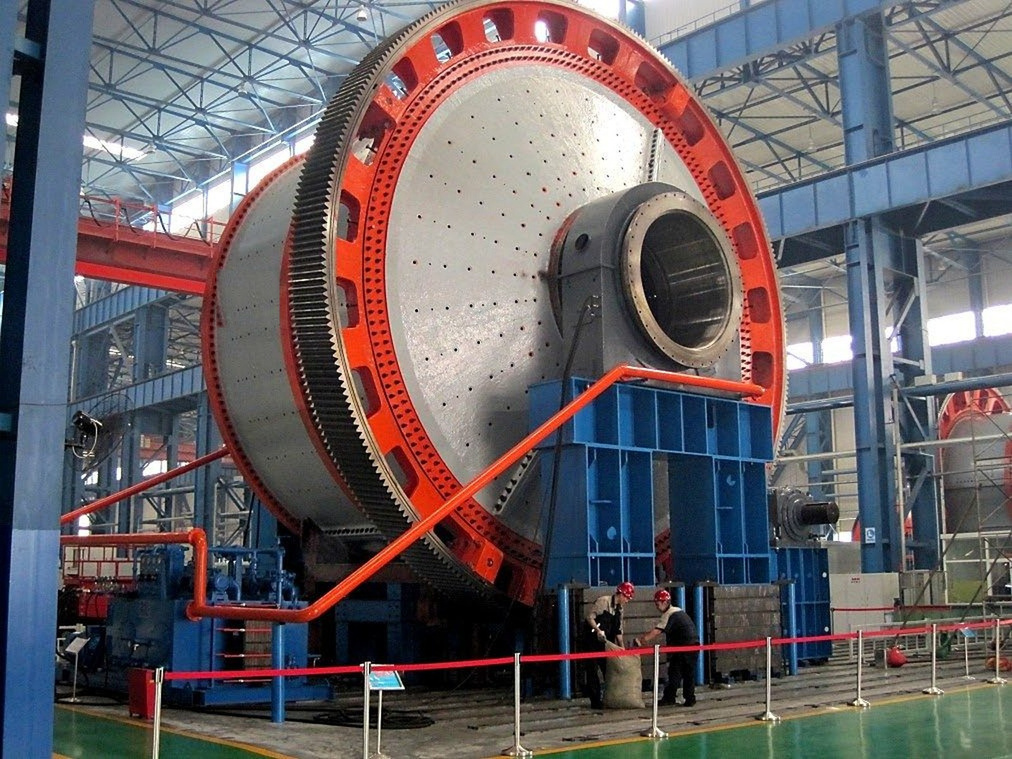
SAG & AG Mills
Primary grinding mills supported by comminution testwork, sizing and manufacturing quality follow-up.
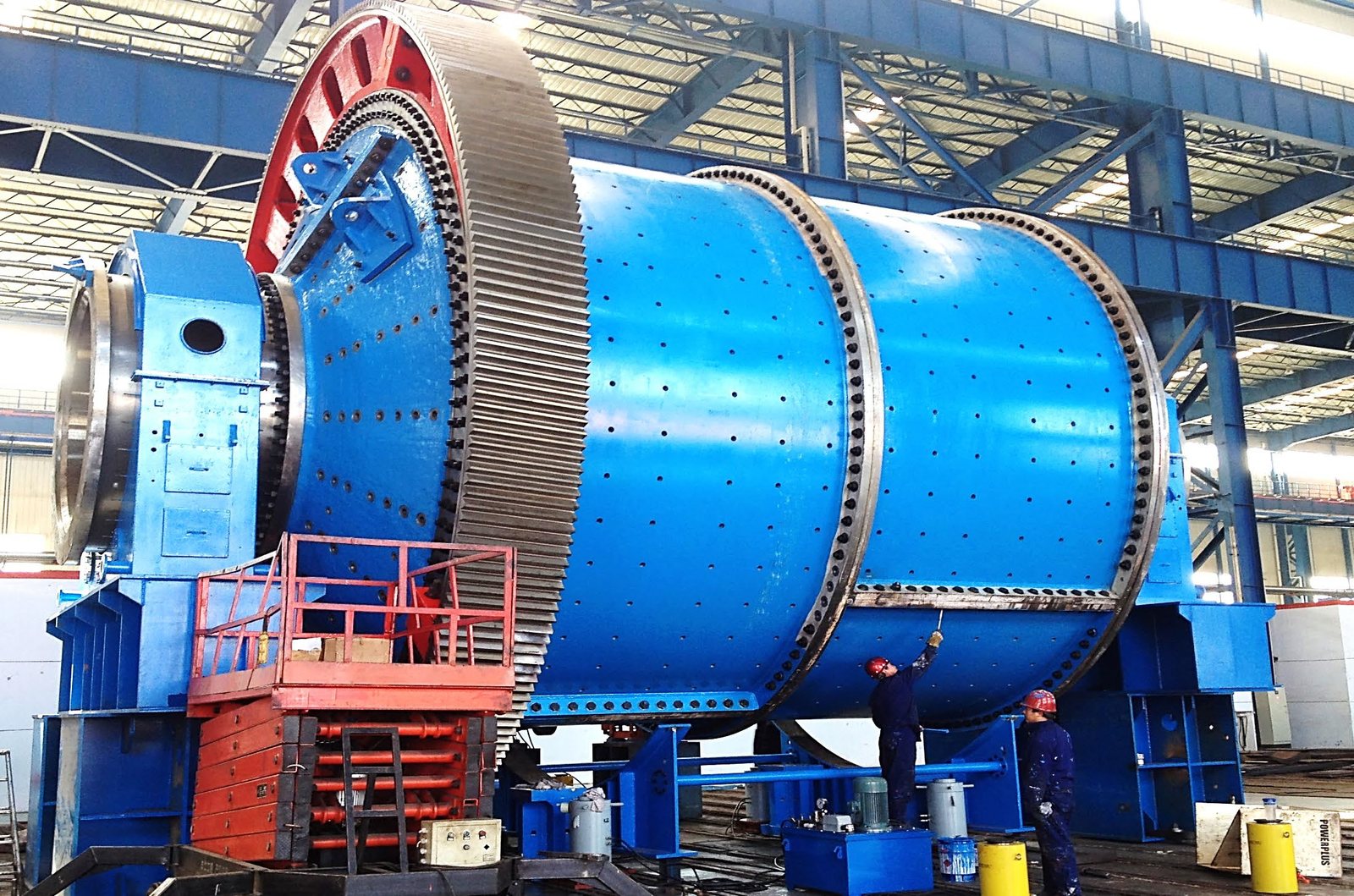
Ball Mills
Overflow and grate-discharge mills for secondary grinding and regrind circuits.
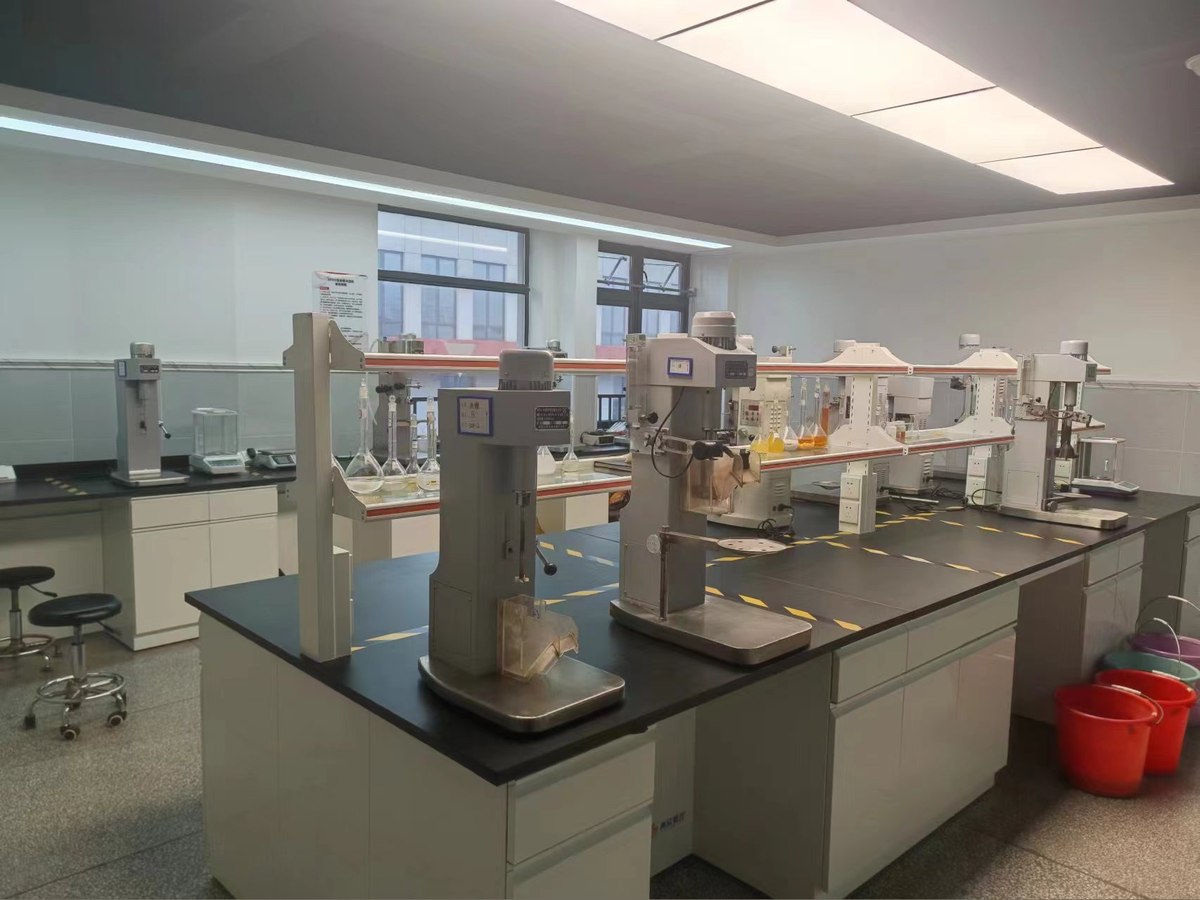
Metallurgical Testwork
Material characterization and comminution testing to support equipment selection and flowsheet design.
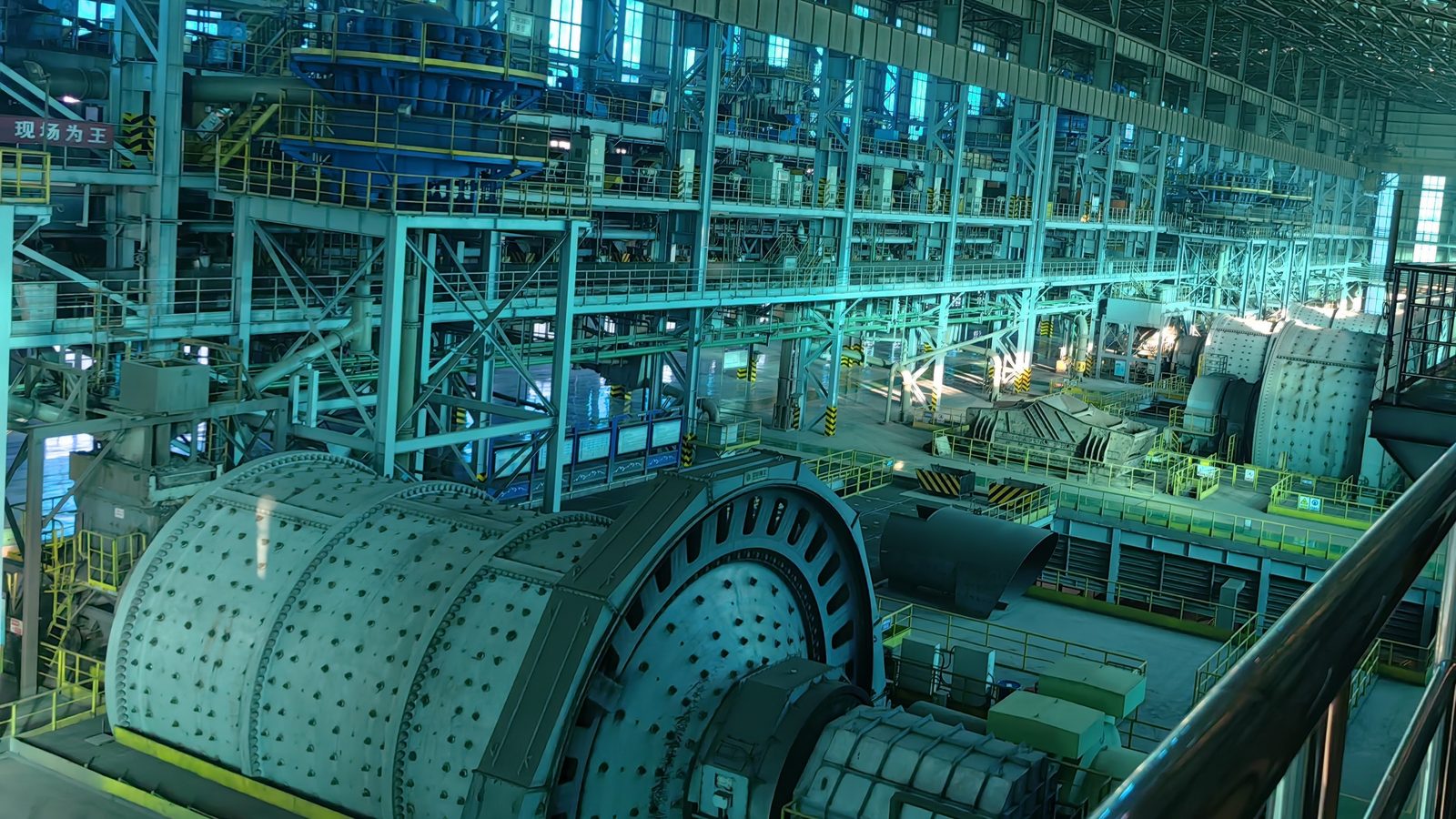
Tell us about your ore — we will engineer the answer.
Send us your ore samples, drawings or equipment list. Our engineers reply within 24 hours with a technical proposal and budgetary quotation.