Metallurgical Testwork & Ore Characterization
JK Drop Weight and SMC comminution testing, bench to locked-cycle flotation, gravity and magnetic separation, hydrometallurgy and pilot-scale trials — one accountable program from a 50 kg sample to an executable flowsheet.
From a bag of ore to an executable flowsheet
Every sound concentrator design starts with data. Working with China's leading mining universities and research institutes, we run structured testwork programs that quantify how your ore breaks, separates and dewaters — the same data we then carry into JKSimMet circuit simulation, equipment selection and plant engineering.
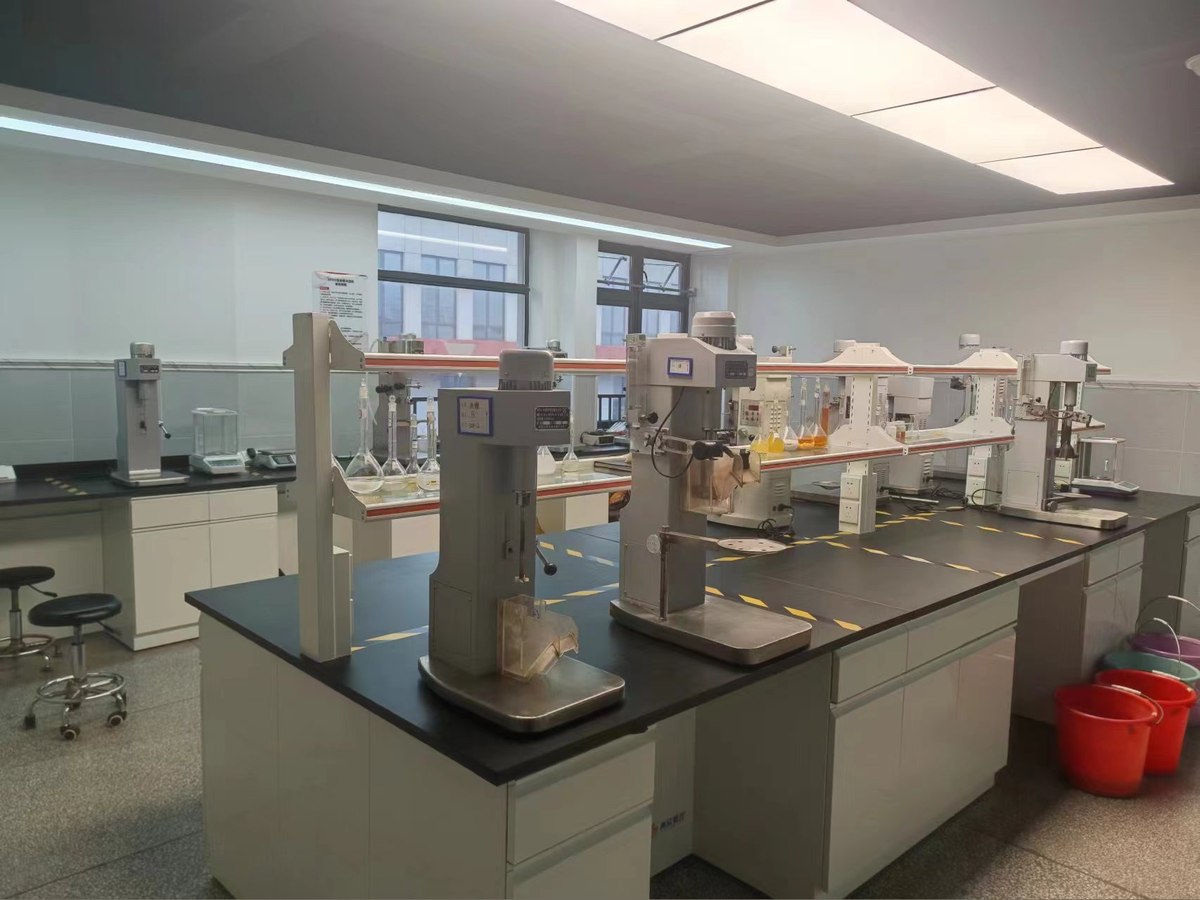
Programs scale from a 20 kg orientation sample to multi-tonne pilot campaigns. Testwork is executed in partner laboratories equipped for comminution, physical separation, flotation and hydrometallurgy, backed by advanced process mineralogy — and every report is formatted for engineering decisions and financing.
Fast track: send us a 50 kg representative ore sample and receive an executable process flowsheet within about 4 weeks.
Program scope
- Ore characterization & process mineralogy
- JK Drop Weight (A×b, ta) & SMC Test® parameters
- Bond ball / rod / crushing work indices & abrasion index
- Gravity, magnetic & heavy-liquid separation
- Bench, open-cycle & locked-cycle flotation
- Leaching, roasting & pressure hydrometallurgy
- Pilot & semi-industrial campaigns
- Bankable report with full mass balance
Comminution testing — how hard is your ore?
SAG and ball mill sizing depends on ore-specific breakage parameters. We deliver the complete JK / Bond parameter set accepted by JKSimMet and every major mill vendor.
JK Drop Weight Test
Full A×b and ta impact-breakage parameters across five specific energy levels — the basis of AG/SAG mill modelling in JKSimMet.
SMC Test®
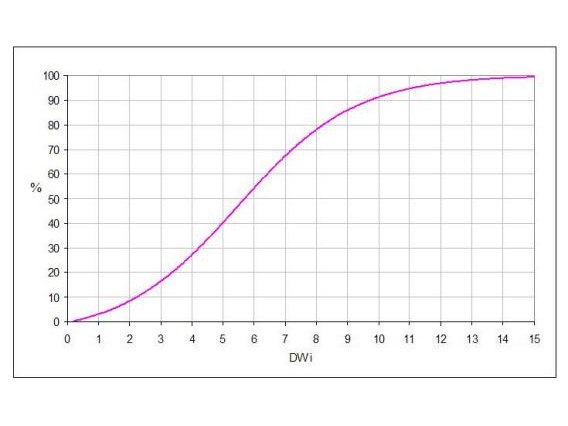
Drop Weight Index (DWi) plus Mia, Mih and Mic from a single test on core or lump samples — cost-effective SAG mill sizing for early project stages.
Bond Work Indices
Ball mill (BBMWI), rod mill and crushing work indices at your closing screen size, plus derived Mib for conventional circuit design.
Abrasion Index (Ai)
Bond abrasion testing that predicts liner and grinding-media wear rates — direct input to your wear-parts budget.
Example SMC & Bond report excerpt
| Parameter | Value | Unit |
|---|---|---|
| DWi — Drop Weight Index | 7.9 | kWh/m³ |
| Mia — coarse particle abrasion | 19.2 | kWh/t |
| Mih — HPGR / crusher work | 14.6 | kWh/t |
| Mic — conventional crushing | 7.6 | kWh/t |
| A × b — impact breakage | 39.7 | — |
| ta — abrasion parameter | 0.33 | — |
| BBMWI @ 75 µm | 11.7 | kWh/t |
| Mib — ball mill work | 18.3 | kWh/t |
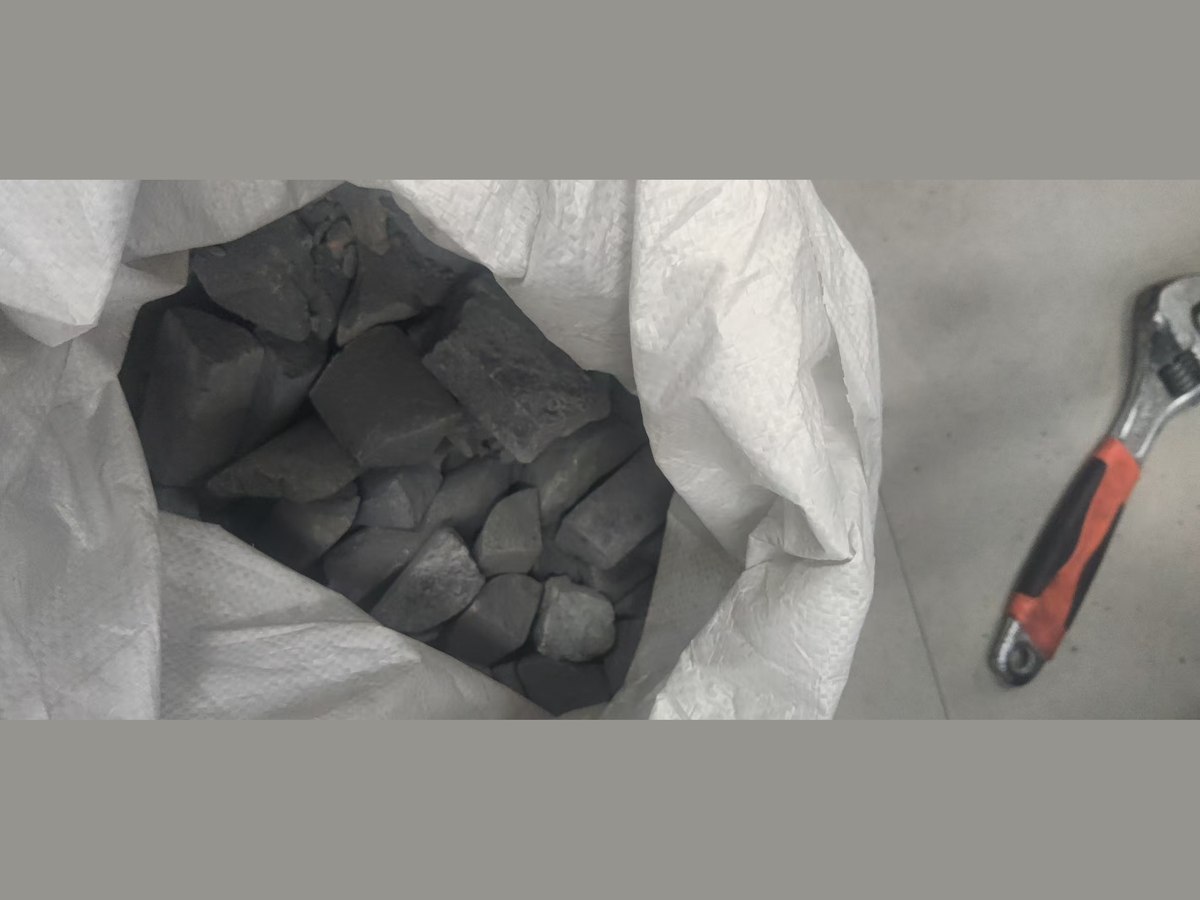
Actual excerpt from an iron ore program (quarter-core sample, ~25 mm). Full reports benchmark your results against the SMC database of 50,000+ tests from 2,000+ deposits.
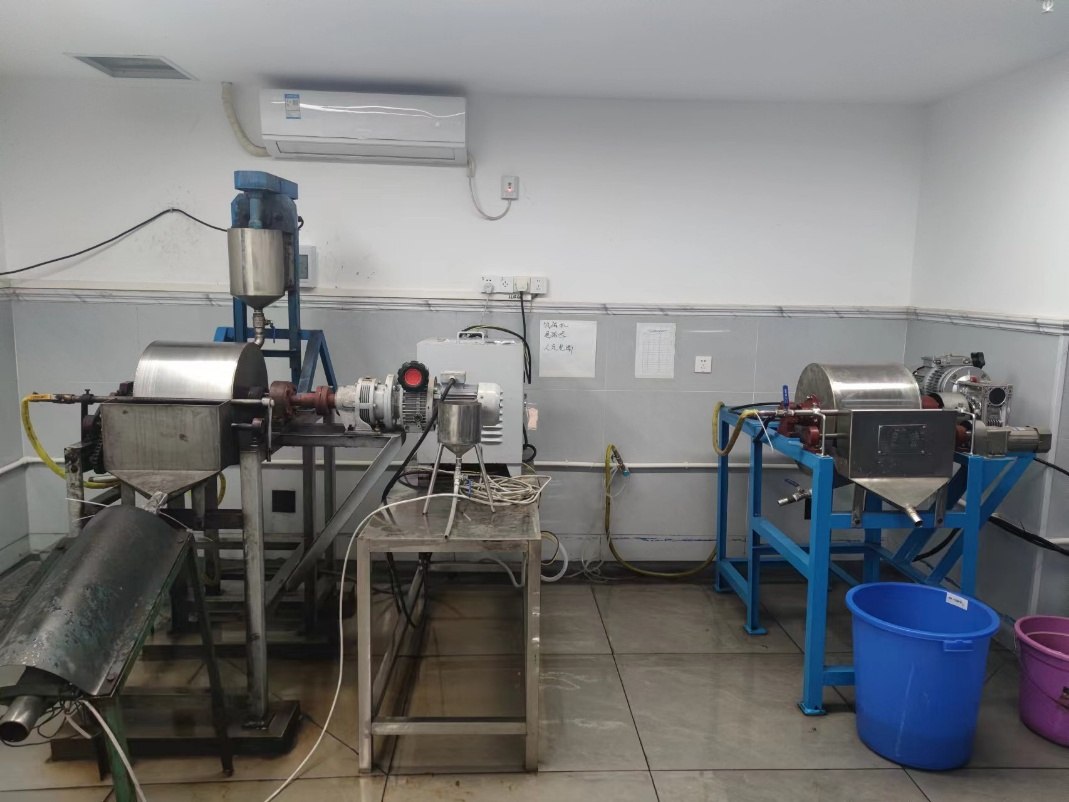
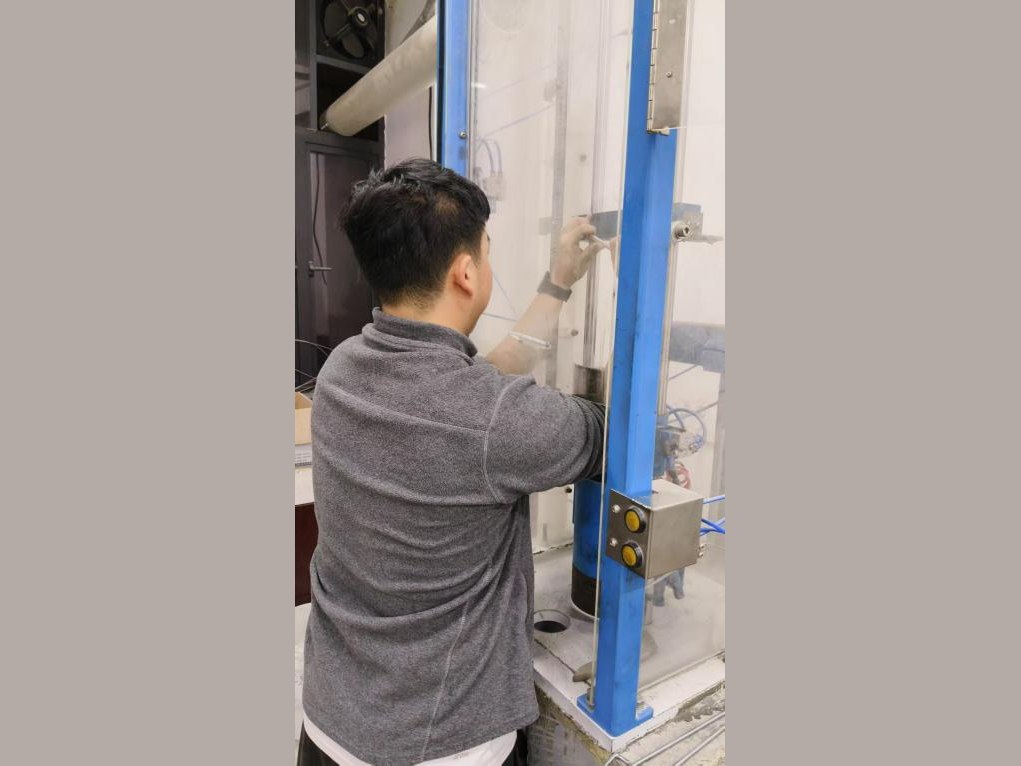
Separation testing — gravity, magnetic & flotation
From a first amenability shake-out to a locked-cycle proof of flowsheet, separation testwork defines the recovery and grade your plant will actually achieve.
Gravity Separation
Shaking table, jig, spiral and centrifugal concentration for gold, tin, tungsten, iron and heavy-mineral sands.
Magnetic Separation
Wet and dry, low- and high-intensity magnetic separation for magnetite, ilmenite and paramagnetic minerals.
Flotation
Baseline, grind-size evaluation, reagent optimization, rougher / cleaner / scavenger and locked-cycle tests for copper, lead-zinc, gold, molybdenum and more.
Heavy Liquid & DMS
Heavy-liquid analysis and dense-media amenability for pre-concentration and coarse rejection.
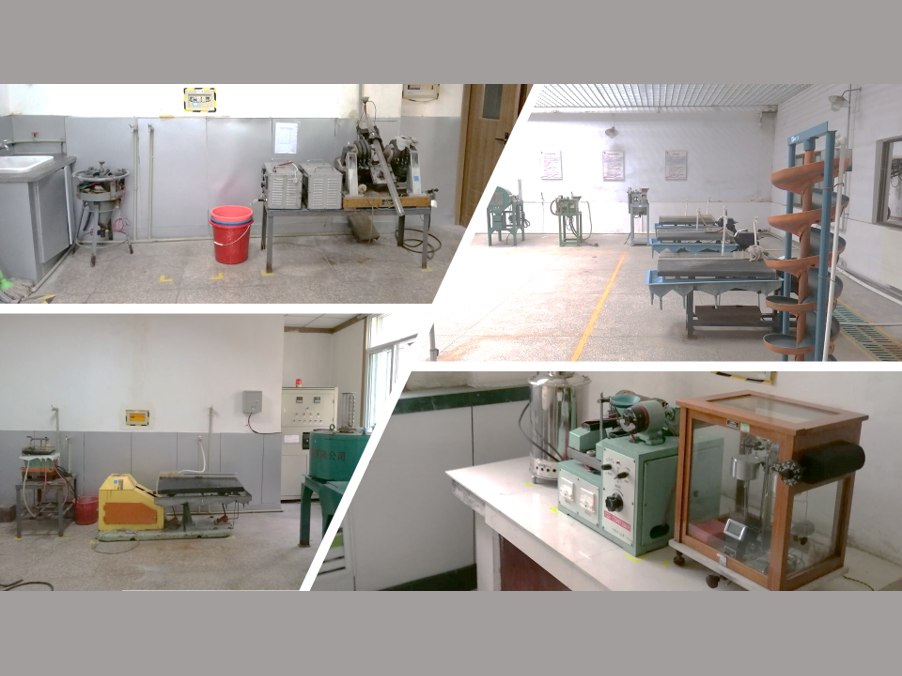
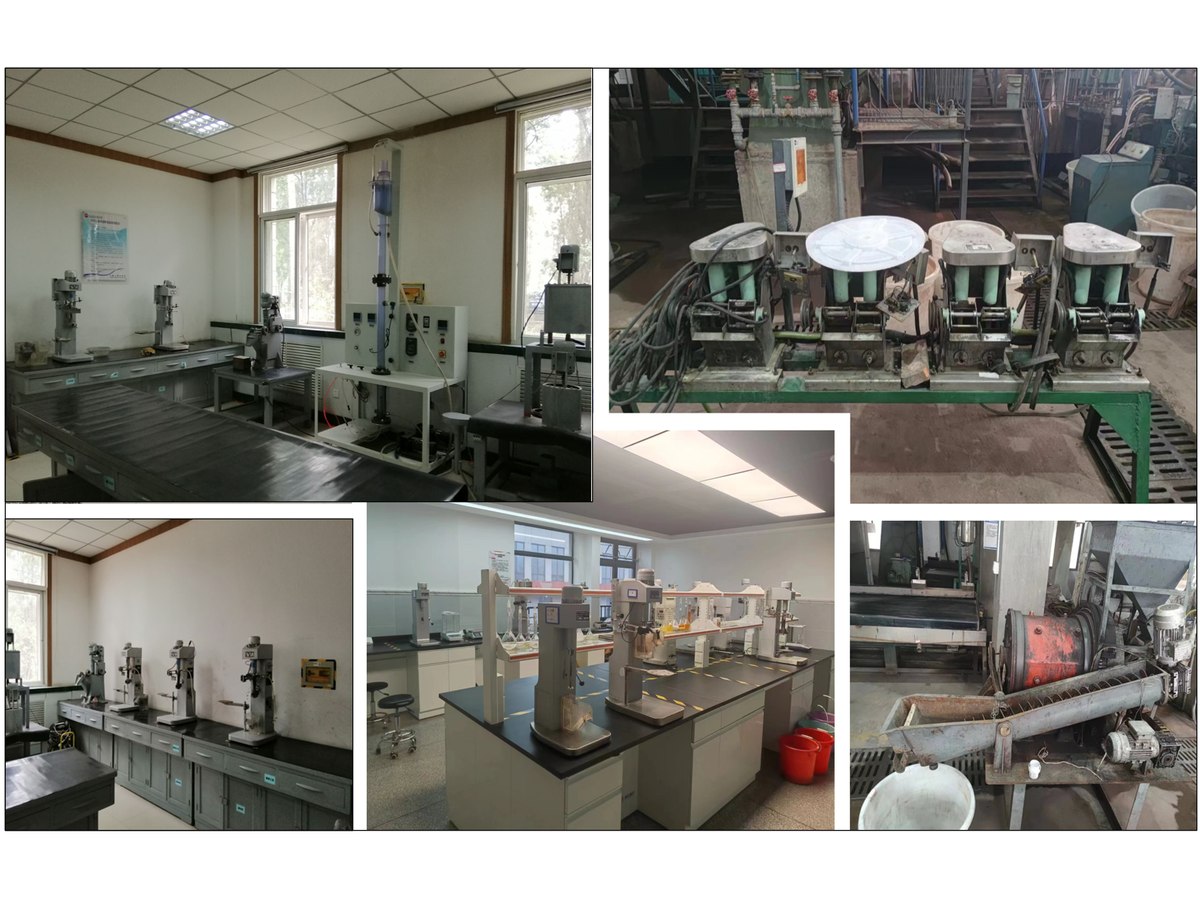
Hydrometallurgy & roasting
For gold, copper and refractory ores we run the full hydrometallurgical chain — from atmospheric leaching kinetics to bench autoclave pressure oxidation and roasting.
Agitation Leaching
Cyanide, acid and alkaline leaching with full kinetics, reagent consumption and residue assays.
Pressure Oxidation
Bench autoclave testing for refractory gold and base-metal sulfides at elevated temperature and pressure.
Roasting & Thermal Treatment
Furnace roasting, calcination and thermogravimetric studies for refractory and complex ores.
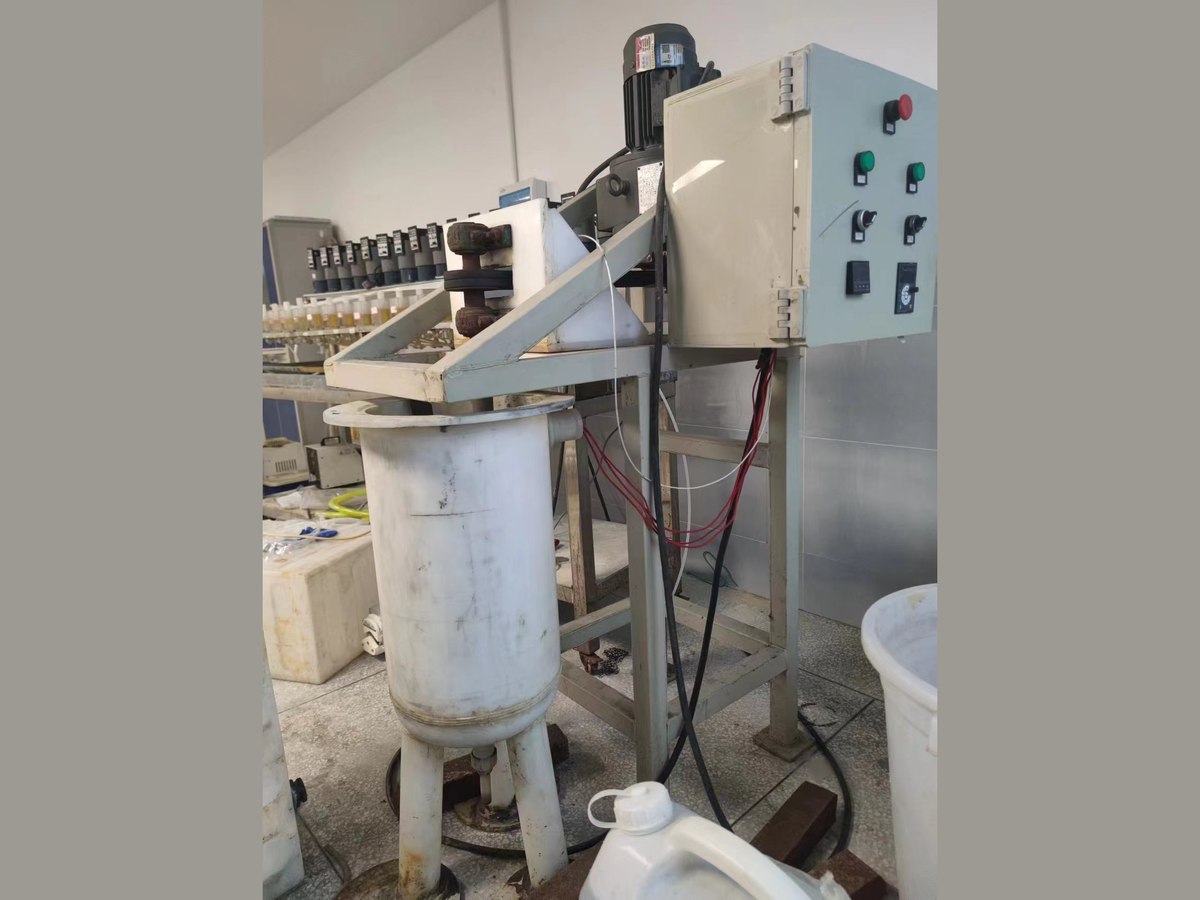
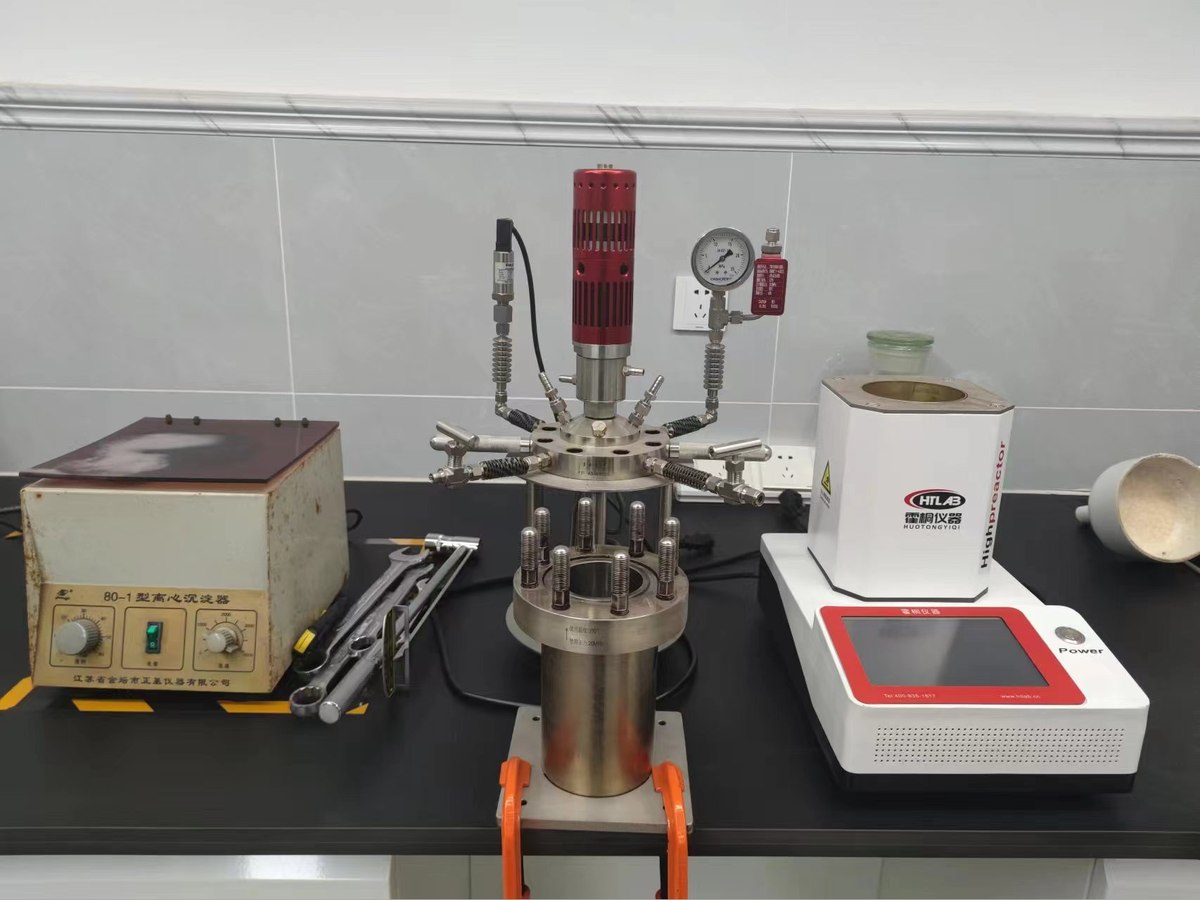
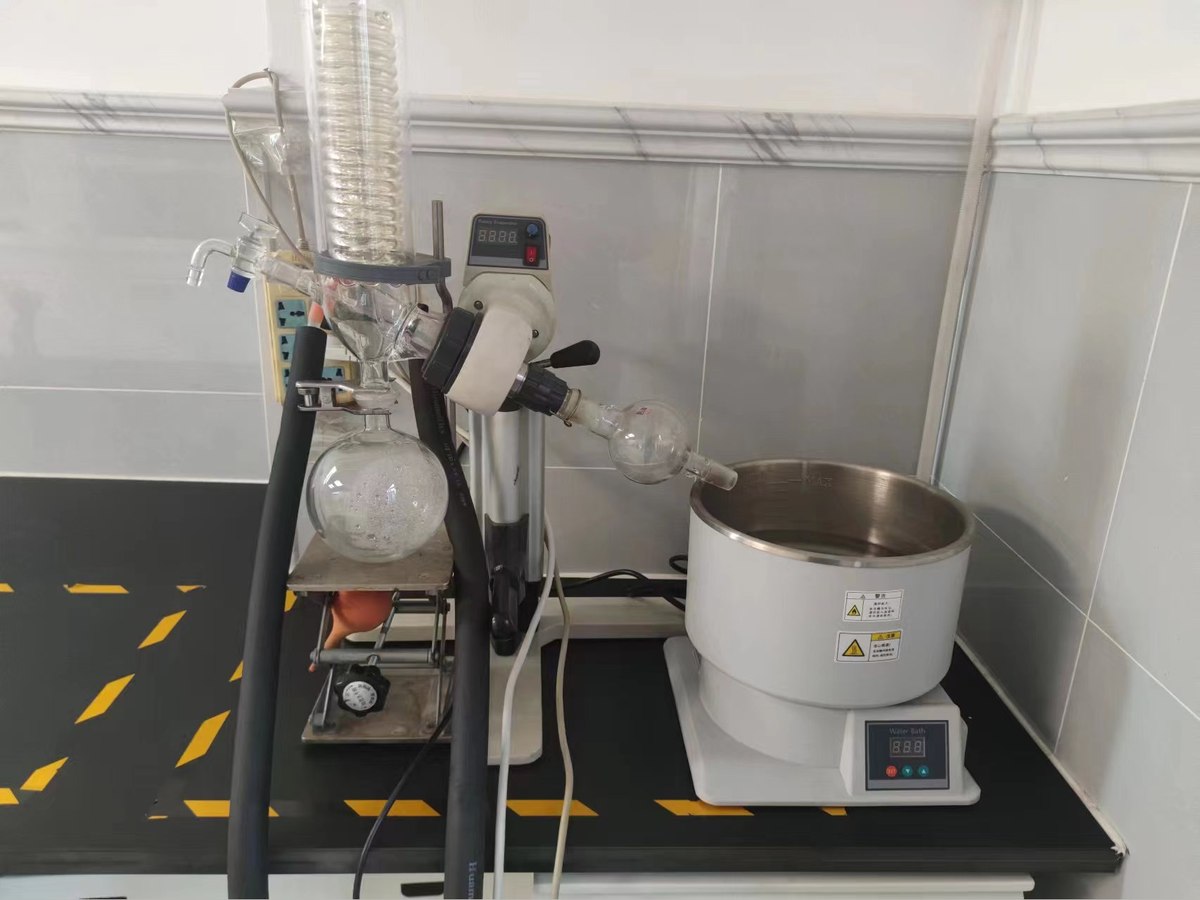
Pilot & semi-industrial trials
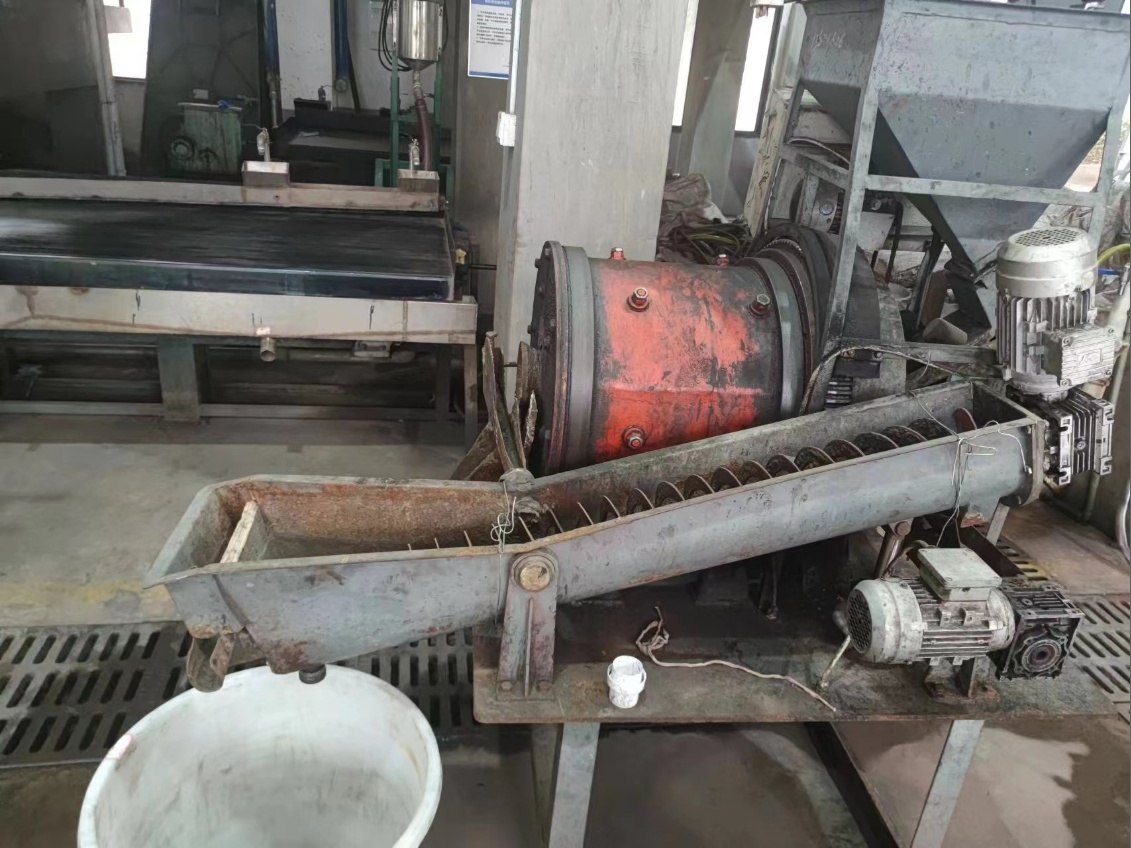
When bench results need validation at scale, we run continuous pilot campaigns: closed-circuit grinding with spiral classification, banks of pilot flotation cells, magnetic and gravity lines — processing bulk samples from hundreds of kilograms to multi-tonne lots.
Semi-industrial trials de-risk scale-up, generate concentrate for downstream marketing and smelter evaluation, and produce the operating data that anchors the final process design criteria.
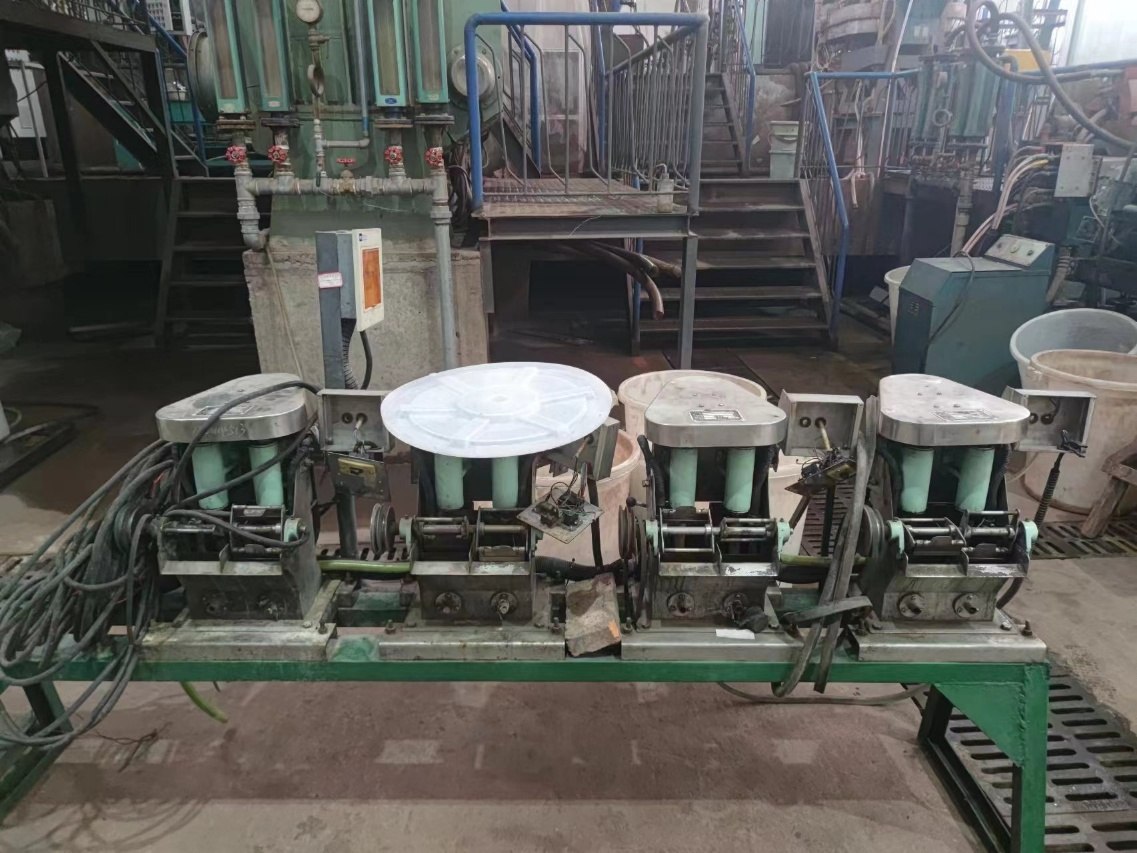
Analytical & mineralogy laboratory
Every program is anchored by full analytical support — the numbers behind the metallurgy come from accredited instruments operated by experienced assayers and mineralogists.
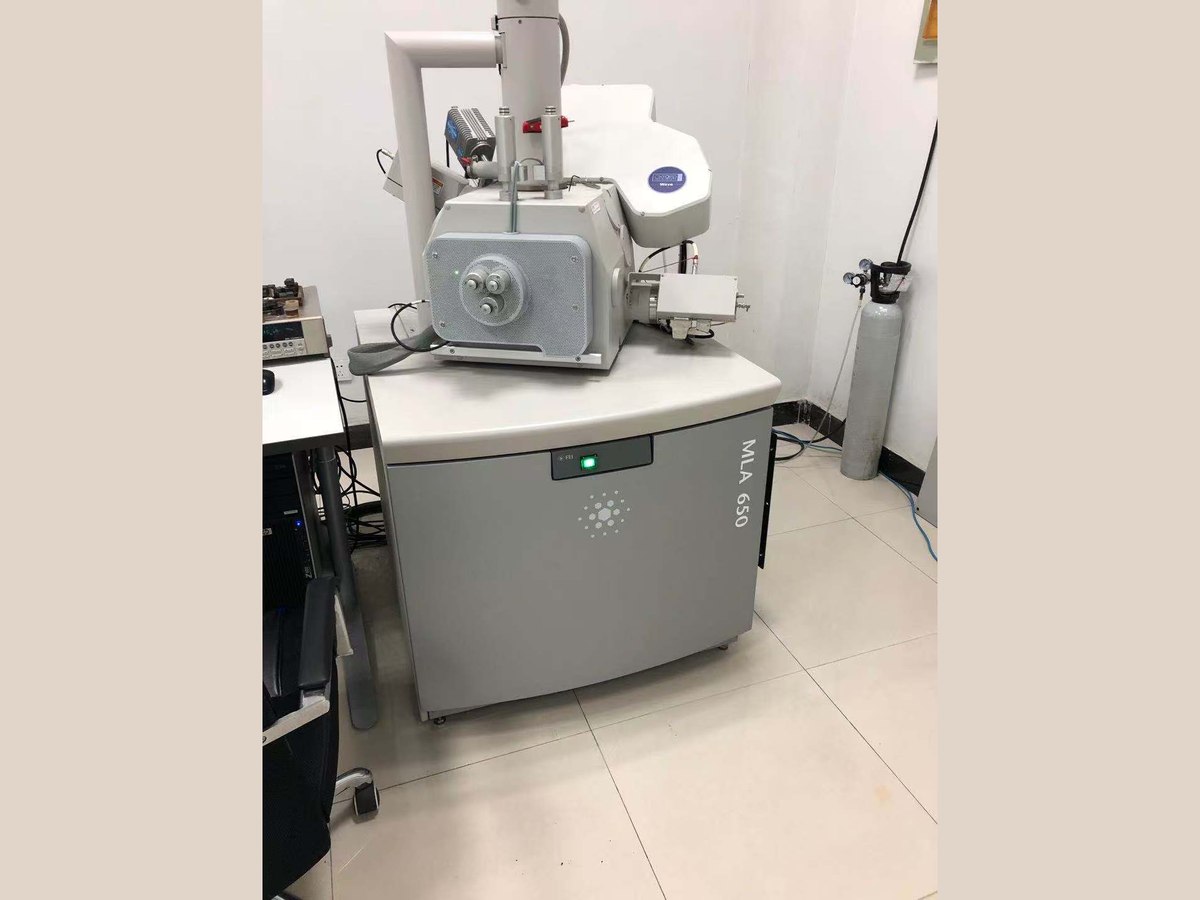
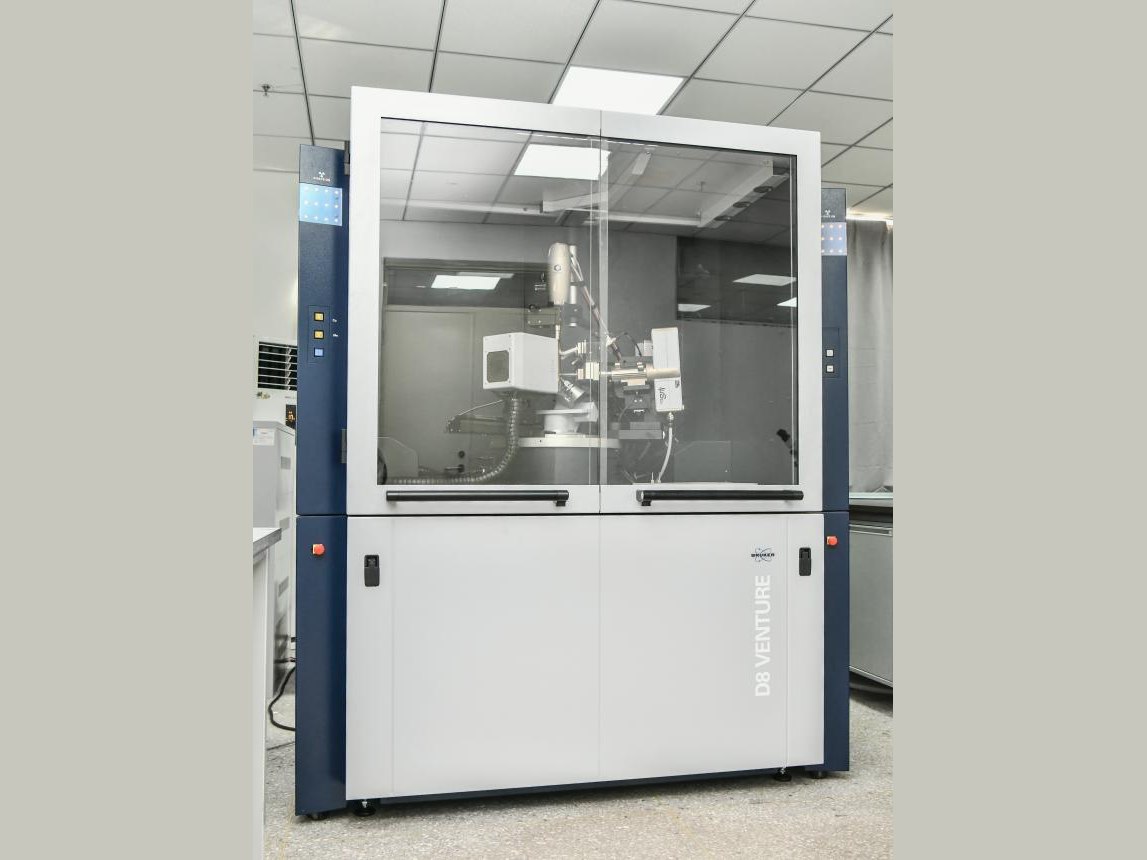
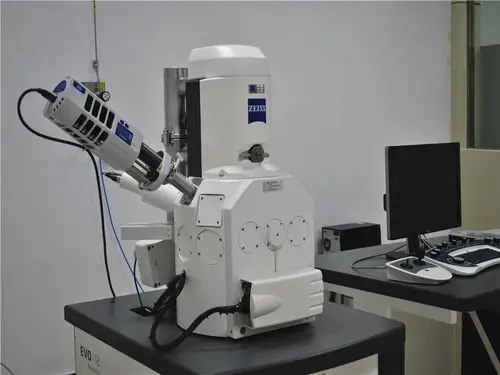
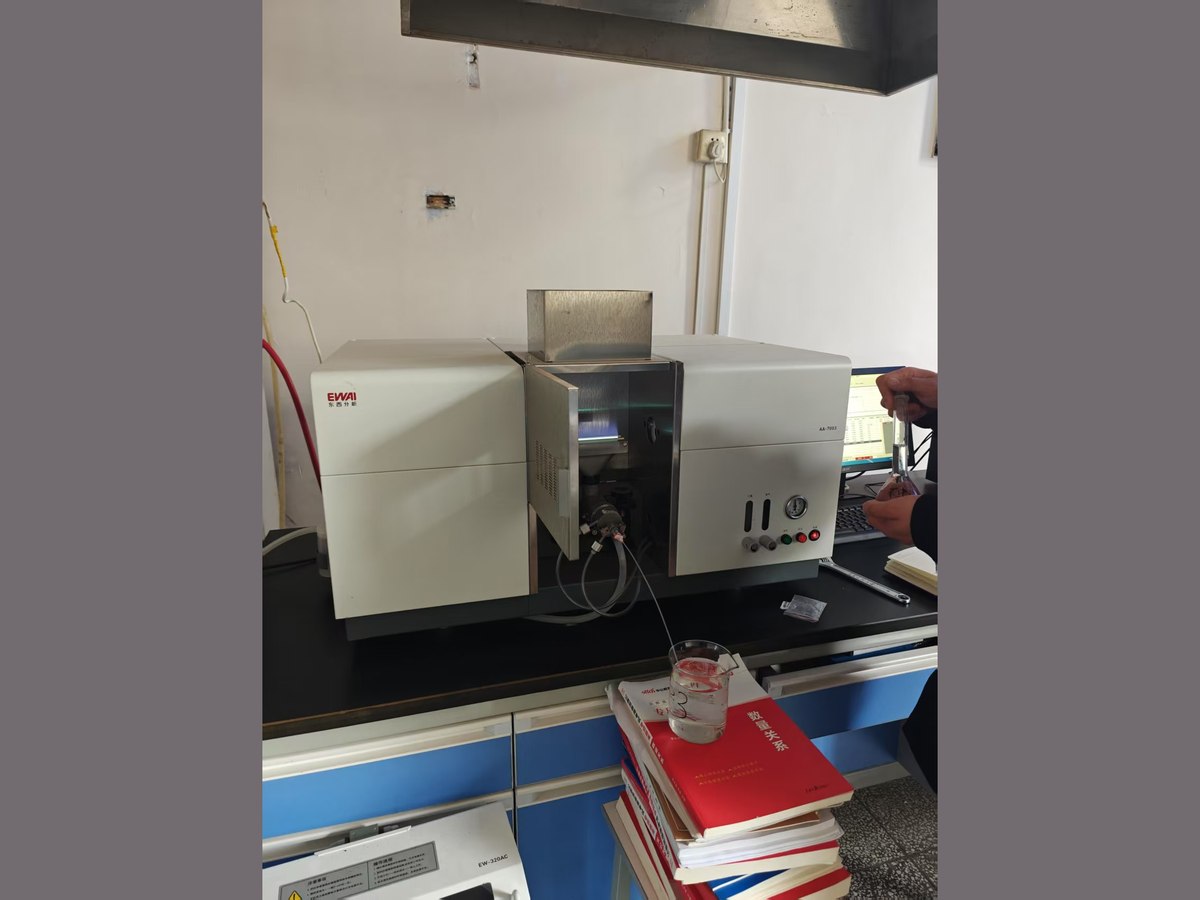
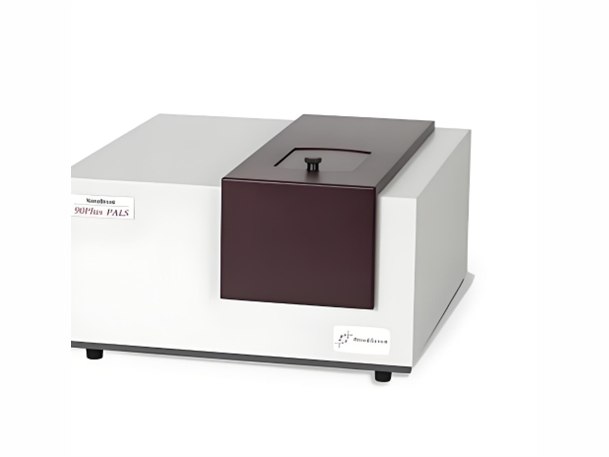
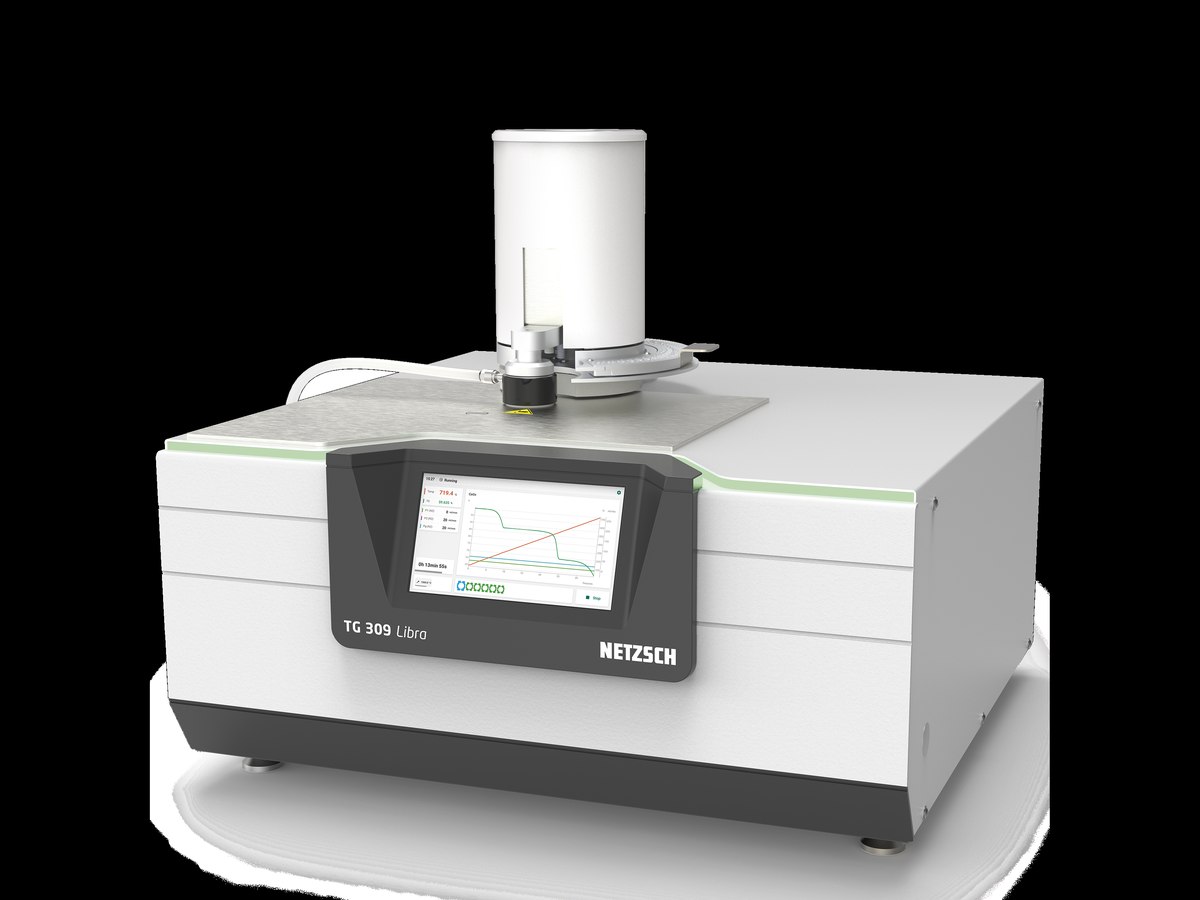
Routine analyses
- XRD / XRF phase & elemental analysis
- ICP-OES multi-element assays
- Fire assay for Au and precious metals
- MLA / QEMSCAN automated mineralogy
- SEM-EDS mineral identification
- Screen & size-assay analysis
How a typical program runs
A complete flotation development program follows six structured phases — you receive interim results at every milestone, not just a final PDF.
| Phase | Main work | Duration |
|---|---|---|
| 1 — Sample receipt & preparation | Crushing, blending, splitting; subsamples and archive samples | 2 weeks |
| 2 — Characterization & mineralogy | Physical characterization, ICP-OES / fire assay, XRD / XRF, MLA | 3–4 weeks |
| 3 — Condition optimization | Baseline tests, grind size evaluation, reagent optimization, rougher / cleaner / scavenger tests | 5–7 weeks |
| 4 — Locked-cycle tests | 6–8 cycles per test until metallurgical equilibrium is reached | 2–3 weeks |
| 5 — Dewatering testwork | Thickening / sedimentation and filtration on concentrate and tailings | 2–3 weeks |
| 6 — Reporting | Mass and metallurgical balances; final testwork report | 2–3 weeks |
Typical total: 16–22 weeks for a full flotation program, excluding sample shipping and client review. Comminution-only programs (JK / SMC / Bond) complete in about 3–4 weeks.
Testwork FAQ
How much sample do you need?
20–50 kg per program for bench-scale work (crushed to −25 mm), labelled with ore body, location and moisture. SMC testing can run on quarter-core; pilot campaigns need bulk samples from several hundred kilograms upward. Contact us first — we issue a sample preparation and shipping instruction sheet.
How long does a testwork program take?
Comminution programs (JK Drop Weight, SMC, Bond) complete in about 3–4 weeks from sample receipt. A full flotation development program with locked-cycle and dewatering phases typically runs 16–22 weeks. A 50 kg fast-track scoping program returns an executable flowsheet in about 4 weeks.
Which ores and minerals do you test?
Iron ore, copper, lead-zinc, gold and silver, molybdenum, tin, tungsten, nickel, lithium, fluorite, graphite, phosphate and industrial minerals — as well as tailings reprocessing and secondary resources.
Who actually performs the testwork?
Programs are executed in cooperation with China's leading mining universities and state research institutes — the same laboratories that serve the country's largest mining groups — under our metallurgists' direction, with a single English-language report delivered by Yanvic.
What does the final report contain?
Complete test procedures and conditions, all raw data, mass and metallurgical balances, flowsheet and reagent scheme recommendations, comminution parameters benchmarked against global databases, and the process design criteria your engineers can build on.
Can you continue with plant design after testwork?
Yes — that is exactly how we work. Testwork data flows directly into JKSimMet circuit simulation, equipment selection and concentrator design, and onward to equipment supply and commissioning support. One team carries your data from sample to production.
Continue with Yanvic
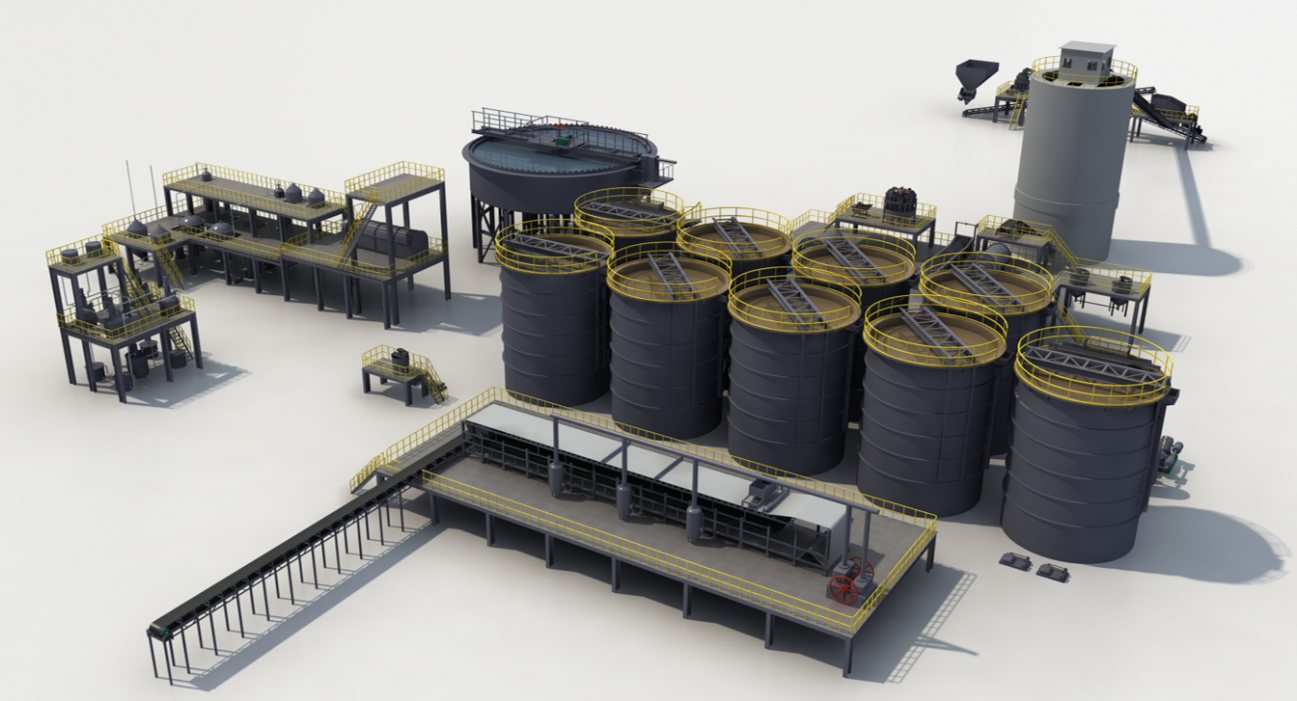
Plant Design & Engineering
JKSimMet simulation, equipment selection and concentrator design built directly on your testwork data.
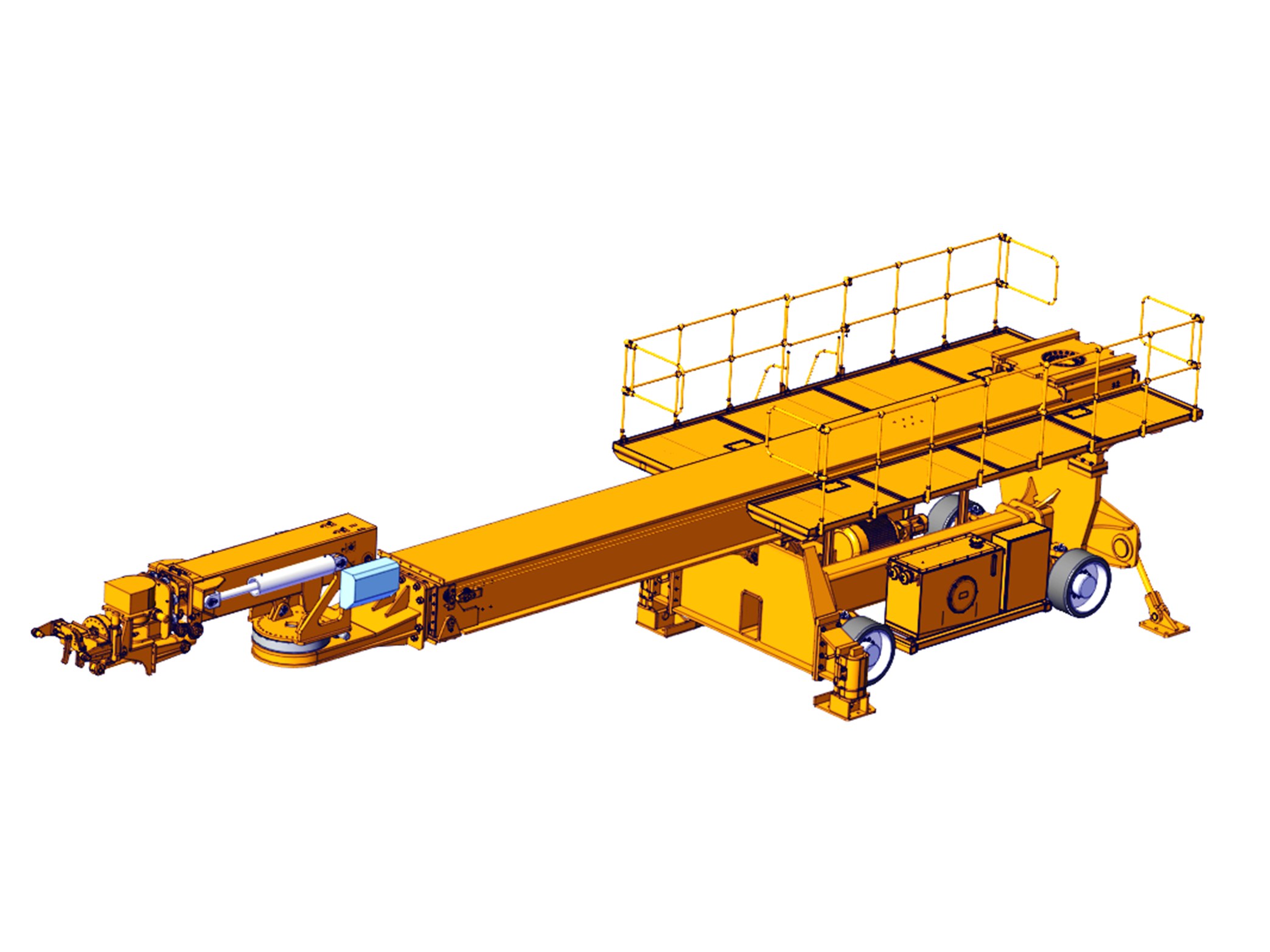
Mill Liner Handler
Mill relining machines from 300 kg to 7,500 kg — for the mills your testwork sizes.
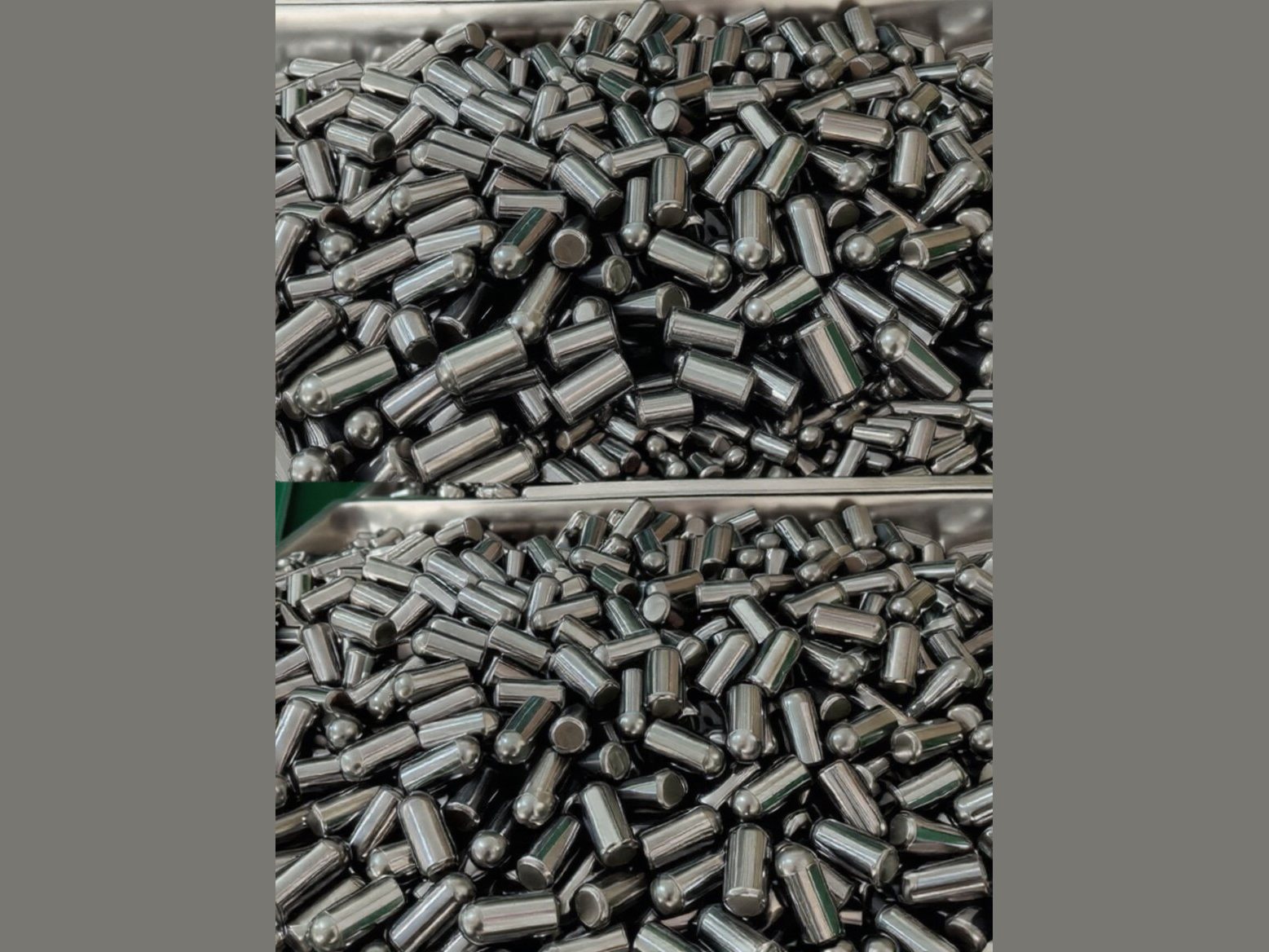
HPGR Carbide Studs
Tungsten carbide studs for high pressure grinding rolls, hardness-matched to your ore's abrasion index.
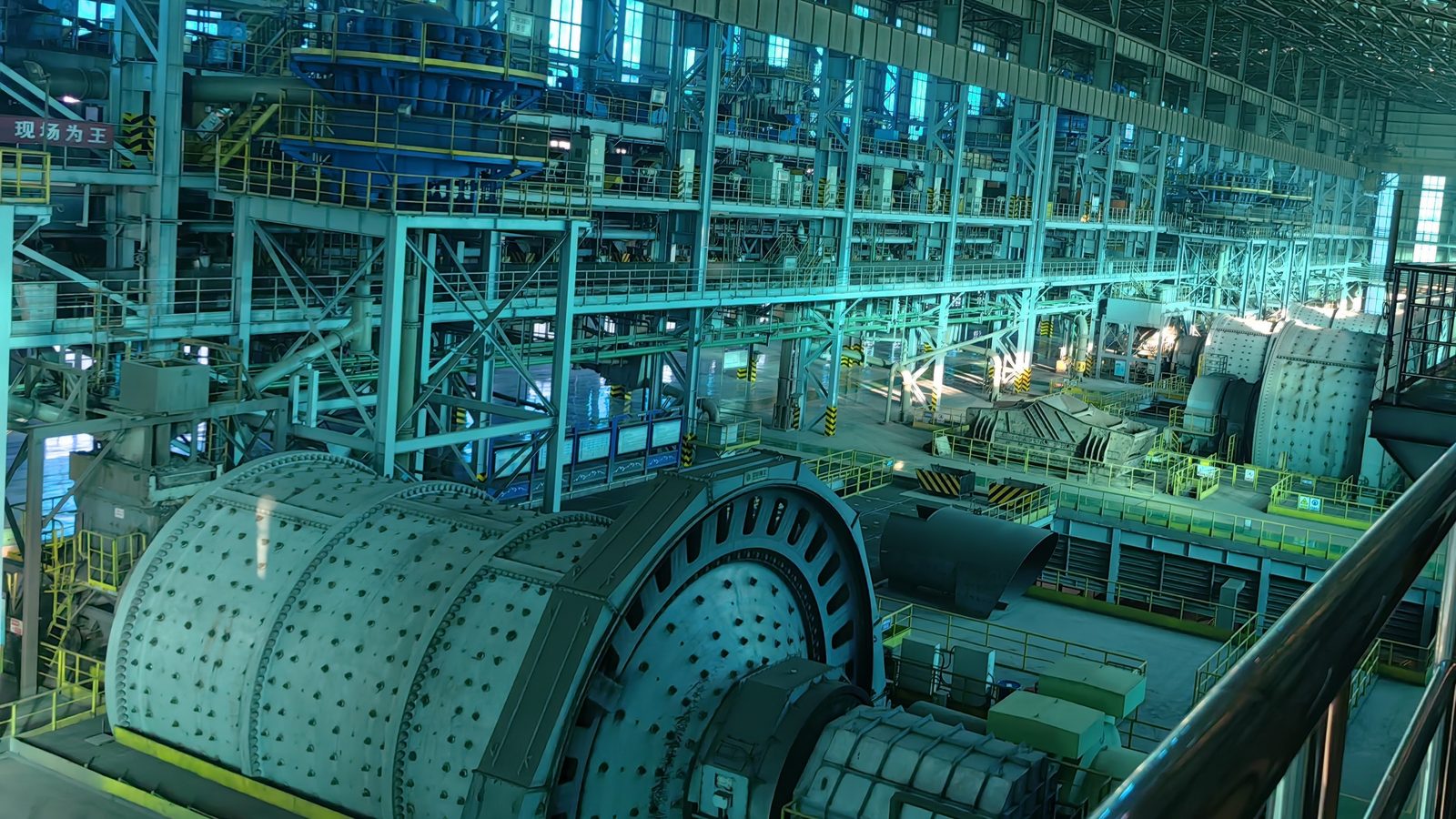
Tell us about your ore — we will engineer the answer.
Send us your ore samples, drawings or equipment list. Our engineers reply within 24 hours with a technical proposal and budgetary quotation.